


Hey there! As a supplier of high carbon steel sheets, I often get asked about what the formability of high carbon steel sheet is. So, I thought I'd write this blog to share some insights with you all.
First off, let's understand what high carbon steel sheet is. High carbon steel is a type of steel that has a relatively high carbon content, usually ranging from about 0.6% to 1.5%. This high carbon content gives it some unique properties, but it also affects its formability.
Formability, in simple terms, is how easily a material can be shaped or formed into different geometries without cracking or failing. When it comes to high carbon steel sheets, their formability is a bit of a double - edged sword.
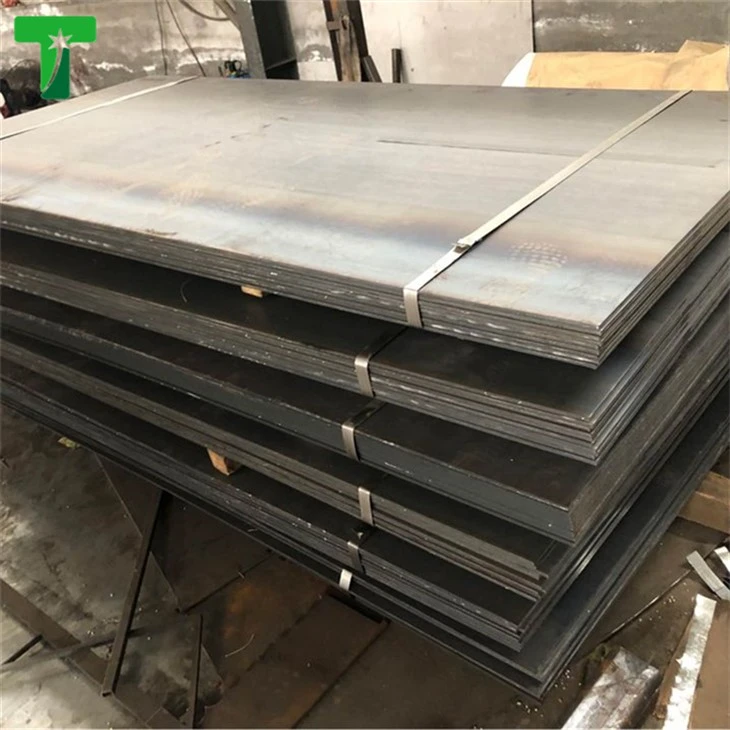

Factors Affecting the Formability of High Carbon Steel Sheets
1. Carbon Content
The high carbon content is the main culprit that impacts formability. Carbon forms carbides in the steel, which make the steel harder and stronger. But at the same time, it reduces the ductility of the steel. Ductility is the ability of a material to deform under tensile stress without breaking. So, as the carbon content in high carbon steel sheets increases, the steel becomes less ductile, and it's more difficult to form it into complex shapes. For example, if you try to bend a high carbon steel sheet with a very high carbon percentage, it might crack at the bend point.
2. Microstructure
The microstructure of high carbon steel also plays a crucial role. The presence of different phases like pearlite and cementite affects how the steel behaves during forming. Pearlite is a lamellar structure of ferrite and cementite, and its proportion in the steel can vary depending on the heat treatment. A higher proportion of pearlite can lead to better formability compared to a structure with a large amount of cementite, which is very hard and brittle.
3. Heat Treatment
Heat treatment can significantly improve the formability of high carbon steel sheets. Processes like annealing can soften the steel by reducing the hardness and increasing the ductility. Annealing involves heating the steel to a specific temperature and then slowly cooling it. This process helps to relieve internal stresses in the steel and refine the microstructure, making it easier to form. For instance, a high carbon steel sheet that has been properly annealed can be bent or stamped into various shapes with less risk of cracking.
Types of Forming Processes for High Carbon Steel Sheets
1. Bending
Bending is one of the most common forming processes for high carbon steel sheets. However, due to the limited ductility of high carbon steel, special care needs to be taken. The bending radius should be carefully selected to avoid cracking. A larger bending radius generally reduces the stress concentration at the bend, making it less likely for the sheet to crack. For example, when bending a high carbon steel sheet for a simple frame structure, a larger radius bend will ensure the integrity of the material.
2. Stamping
Stamping is used to create complex shapes from high carbon steel sheets. It involves using a die to press the sheet into a specific shape. To achieve successful stamping with high carbon steel, the die design needs to be optimized. The clearance between the punch and the die should be adjusted according to the thickness and properties of the high carbon steel sheet. Also, lubrication is essential during stamping to reduce friction and prevent cracking.
3. Deep Drawing
Deep drawing is a more challenging process for high carbon steel sheets. It involves pulling the sheet into a die cavity to form a cup - shaped or box - shaped part. The high carbon steel's low ductility makes it difficult to achieve a good draw without cracking. Special techniques like pre - annealing and using proper lubricants are often required to improve the success rate of deep drawing.
Our High Carbon Steel Sheet Products
As a supplier, we offer a variety of high carbon steel sheet products. We have High Strength Carbon Steel Plate, which is known for its excellent strength properties. It's suitable for applications where high strength is required, although the formability might be a bit more limited compared to some lower - carbon steels.
Another product we have is the AISI 1095 High Carbon Steel Plate. AISI 1095 is a well - known high carbon steel grade. It has a relatively high carbon content, which gives it high hardness and wear resistance. It can be used in applications like knife blades and springs. However, when it comes to forming, it needs to be treated carefully.
We also supply T12 High Carbon Steel Plate For Constraction. This steel is often used in construction applications where high strength and good wear resistance are needed. Although it has good mechanical properties, its formability needs to be considered during the construction process.
Tips for Working with High Carbon Steel Sheets
If you're planning to work with high carbon steel sheets, here are some tips to improve formability:
- Pre - heat Treatment: Always consider pre - annealing the high carbon steel sheet before forming. This can make the steel more ductile and easier to work with.
- Use Proper Lubricants: Lubricants can reduce friction during forming processes like bending, stamping, and deep drawing. They help to prevent the steel from sticking to the tools and reduce the risk of cracking.
- Optimize Tooling: Make sure your tools, such as dies and punches, are properly designed and maintained. The right tooling can ensure a smooth forming process and reduce the stress on the high carbon steel sheet.
Conclusion
So, in conclusion, the formability of high carbon steel sheets is affected by several factors such as carbon content, microstructure, and heat treatment. While high carbon steel offers great strength and hardness, its formability can be a challenge. But with the right techniques and processes, it's possible to form high carbon steel sheets into various useful shapes.
If you're interested in our high carbon steel sheet products or have any questions about their formability and how to work with them, don't hesitate to get in touch. We're here to provide you with the best solutions and support for your projects. Let's start a conversation about your high carbon steel sheet needs!
References
- ASM Handbook Volume 1: Properties and Selection: Irons, Steels, and High - Performance Alloys
- Metals Handbook Desk Edition, 3rd Edition


