As a supplier of corrugated sheets, I understand the importance of ensuring that these products are as safe as possible, especially when it comes to fire resistance. Corrugated sheets are widely used in various construction projects, from industrial buildings to residential homes. Improving their fire-resistant properties can significantly enhance the safety of these structures. In this blog, I will explore several effective ways to make corrugated sheets more fire-resistant.
1. Select Fire-Resistant Materials
The first step in making corrugated sheets more fire-resistant is to choose the right materials. Different materials have varying degrees of fire resistance. For example, steel is a popular choice for corrugated sheets due to its inherent fire-resistant properties. Steel does not burn, melt at very high temperatures, and can maintain its structural integrity for a relatively long time during a fire.
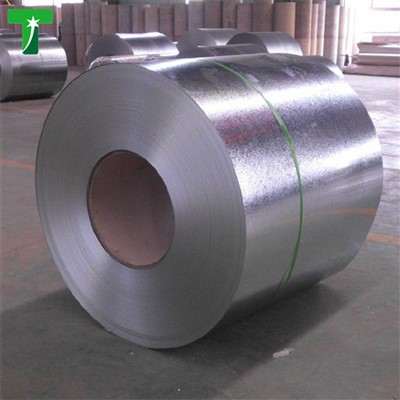
- SGCC Corrugated Galvanized Roofing Sheet For Building: This type of sheet is made of galvanized steel, which provides an additional layer of protection against corrosion. The zinc coating on the steel also helps to improve its fire resistance by acting as a barrier between the steel and the flames. You can find more information about this product here.
- Corrugated Iron Roof Sheets: Iron is another material that can be used to make fire-resistant corrugated sheets. Iron has a high melting point and can withstand high temperatures without losing its strength. Corrugated iron roof sheets are known for their durability and fire resistance, making them a great choice for buildings in areas prone to wildfires or other fire hazards. Check out our corrugated iron roof sheets for more details.
2. Apply Fire-Resistant Coatings
In addition to using fire-resistant materials, applying fire-resistant coatings to corrugated sheets can further enhance their fire resistance. These coatings work by forming a protective layer on the surface of the sheets, which can slow down the spread of fire and reduce the amount of heat transferred to the underlying material.
There are several types of fire-resistant coatings available on the market, including intumescent coatings and non-intumescent coatings. Intumescent coatings expand when exposed to heat, forming a thick, insulating char layer that can protect the underlying material from the flames. Non-intumescent coatings, on the other hand, work by releasing water or other fire-suppressing chemicals when heated, which can help to cool the surface of the sheets and prevent the spread of fire.


When applying fire-resistant coatings to corrugated sheets, it is important to follow the manufacturer's instructions carefully. The coating should be applied evenly and at the recommended thickness to ensure maximum effectiveness. It is also important to note that the fire resistance of the coating may decrease over time, so regular inspections and reapplication may be necessary.
3. Incorporate Fire-Resistant Insulation
Adding fire-resistant insulation to corrugated sheets can also improve their fire resistance. Insulation helps to reduce the transfer of heat through the sheets, which can slow down the spread of fire and give occupants more time to evacuate the building.
There are several types of fire-resistant insulation materials available, such as mineral wool, fiberglass, and cellulose. Mineral wool is a popular choice for corrugated sheets because it is non-combustible, has excellent thermal insulation properties, and can withstand high temperatures. Fiberglass insulation is also a good option, as it is lightweight, easy to install, and has a high melting point. Cellulose insulation, made from recycled paper, is another eco-friendly option that can provide good fire resistance.
When installing fire-resistant insulation, it is important to ensure that it is properly installed and sealed to prevent air leakage. Air leakage can reduce the effectiveness of the insulation and increase the risk of fire spread.
4. Design for Fire Safety
The design of the corrugated sheets and the building structure can also play a significant role in improving fire safety. For example, incorporating fire breaks and fire barriers into the design can help to prevent the spread of fire from one area of the building to another. Fire breaks can be created by using fire-resistant materials to separate different sections of the building, while fire barriers can be installed to block the passage of fire and smoke.
In addition, the orientation and layout of the building can also affect its fire safety. Buildings should be designed to allow for natural ventilation and the easy evacuation of occupants in the event of a fire. Windows and doors should be located in strategic positions to provide escape routes and to allow for the entry of fresh air.
5. Conduct Regular Inspections and Maintenance
Finally, it is important to conduct regular inspections and maintenance of corrugated sheets to ensure that their fire-resistant properties are maintained over time. Inspections should be carried out by a qualified professional who can check for signs of damage, wear, or deterioration. Any damaged or worn sheets should be replaced immediately to prevent the spread of fire.
Maintenance tasks may include cleaning the sheets to remove dirt, debris, and other contaminants that can reduce their fire resistance. It is also important to check the integrity of any fire-resistant coatings or insulation and to reapply or replace them as needed.
In conclusion, making corrugated sheets more fire-resistant is essential for ensuring the safety of buildings and their occupants. By selecting fire-resistant materials, applying fire-resistant coatings, incorporating fire-resistant insulation, designing for fire safety, and conducting regular inspections and maintenance, you can significantly improve the fire resistance of your corrugated sheets. If you are interested in purchasing fire-resistant corrugated sheets or have any questions about how to improve their fire resistance, please feel free to contact us for more information and to discuss your specific requirements.
References
- National Fire Protection Association. (2023). NFPA 220: Standard on Types of Building Construction.
- International Building Code. (2022). International Code Council.
- American Iron and Steel Institute. (2023). Steel Construction Manual.