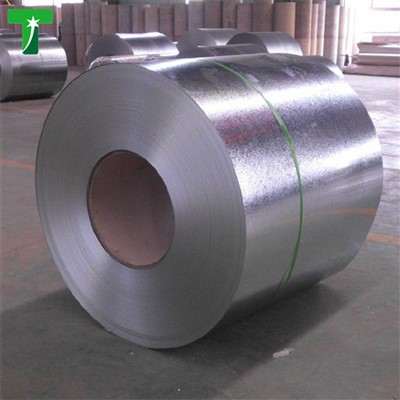
Mild carbon steel plate, a fundamental material in numerous industries, is renowned for its versatility and cost - effectiveness. As a supplier of mild carbon steel plate, I am well - versed in its composition, properties, and applications. In this blog, I will delve into the intricacies of what makes up a mild carbon steel plate.


Chemical Composition of Mild Carbon Steel Plate
The primary distinguishing factor of mild carbon steel is its carbon content. Mild carbon steel typically contains carbon in the range of 0.05% to 0.25%. This relatively low carbon content gives mild carbon steel its characteristic properties. Unlike high - carbon steels, which can be extremely hard and brittle, mild carbon steel is more ductile and malleable.
In addition to carbon, mild carbon steel plates contain other alloying elements, each playing a crucial role in determining the steel's properties.
Iron (Fe)
Iron is the base element of mild carbon steel. It makes up the majority of the steel's composition. Iron provides the basic structure and strength of the steel. Its atomic structure allows for the formation of various crystalline structures, which can be manipulated through heat treatment and alloying to achieve different mechanical properties.
Manganese (Mn)
Manganese is an important alloying element in mild carbon steel. It is usually present in the range of 0.30% to 1.5%. Manganese helps to improve the strength and toughness of the steel. It also acts as a deoxidizer during the steel - making process, removing oxygen from the molten steel and reducing the formation of harmful oxides. Moreover, manganese combines with sulfur to form manganese sulfide (MnS) inclusions, which can improve the machinability of the steel.
Silicon (Si)
Silicon is another common alloying element in mild carbon steel, typically present in the range of 0.15% to 0.35%. It is added as a deoxidizer and also helps to increase the strength and hardness of the steel. Silicon improves the steel's resistance to oxidation and enhances its magnetic properties.
Sulfur (S) and Phosphorus (P)
Sulfur and phosphorus are considered impurities in mild carbon steel, but their levels are carefully controlled. Sulfur is usually limited to less than 0.05%, and phosphorus to less than 0.04%. High levels of sulfur can lead to hot shortness, which means the steel becomes brittle at high temperatures and is prone to cracking during hot working processes. Phosphorus can increase the hardness and strength of the steel but also reduces its ductility and toughness, especially at low temperatures.
Effects of Composition on Properties
The specific composition of mild carbon steel plate directly influences its mechanical and physical properties.
Strength
The carbon and manganese content largely determine the strength of mild carbon steel. As the carbon content increases within the mild - steel range, the strength of the steel also increases. However, this increase in strength is accompanied by a decrease in ductility. Manganese further enhances the strength by improving the steel's hardenability, which is the ability of the steel to form martensite (a hard and strong phase) during quenching.
Ductility
Ductility is the ability of the steel to deform plastically without fracturing. The low carbon content in mild carbon steel is the key factor contributing to its high ductility. This property makes mild carbon steel suitable for processes such as bending, forming, and welding. The presence of other elements like silicon and manganese in controlled amounts also helps to maintain a good balance between strength and ductility.
Weldability
Mild carbon steel is known for its excellent weldability. The low carbon content reduces the risk of cracking during the welding process. The other alloying elements, when present in appropriate amounts, do not significantly interfere with the welding process. For example, the deoxidizing elements like silicon and manganese help to prevent the formation of porosity in the weld.
Corrosion Resistance
The corrosion resistance of mild carbon steel is relatively low compared to stainless steels. However, the presence of small amounts of elements like silicon can provide some protection against oxidation. To improve the corrosion resistance of mild carbon steel plates, various surface treatments such as painting, galvanizing, or coating can be applied.
Applications of Mild Carbon Steel Plate
Due to its favorable properties, mild carbon steel plate finds a wide range of applications across different industries.
Construction Industry
In the construction industry, mild carbon steel plates are used for structural components such as beams, columns, and frames. Their high strength - to - weight ratio and good weldability make them ideal for building large - scale structures. For example, ASTM A36 Low Carbon Steel Sheet is a commonly used mild carbon steel in construction, which meets the standards for general structural applications.
Automotive Industry
Mild carbon steel plates are used in the automotive industry for manufacturing various parts such as body panels, chassis components, and engine mounts. The ductility of mild carbon steel allows for complex forming operations, which are necessary for shaping automotive parts.
Manufacturing Industry
In the manufacturing industry, mild carbon steel plates are used for fabricating machinery, equipment, and tools. Their relatively low cost and ease of processing make them a popular choice for mass - production. Low Carbon Steel Plate is often used in manufacturing due to its well - balanced properties.
Quality Control in Mild Carbon Steel Plate Production
As a supplier of Mild Carbon Steel Plate, quality control is of utmost importance. We ensure that the chemical composition of our mild carbon steel plates meets the required standards. This is achieved through strict control of the steel - making process, from the selection of raw materials to the final heat treatment.
We use advanced analytical techniques such as spectroscopy to accurately measure the chemical composition of the steel. This allows us to precisely control the levels of carbon, manganese, silicon, sulfur, and phosphorus. In addition, we conduct mechanical tests such as tensile tests, hardness tests, and impact tests to ensure that the mechanical properties of the steel plates meet the specifications.
Conclusion
In conclusion, mild carbon steel plate is a remarkable material with a carefully balanced chemical composition. The combination of low carbon content and other alloying elements gives it unique properties such as high ductility, good weldability, and moderate strength. These properties make it suitable for a wide range of applications in various industries.
If you are in need of high - quality mild carbon steel plates, we are here to provide you with the best products. Our commitment to quality and customer satisfaction ensures that you will get the mild carbon steel plates that meet your specific requirements. Contact us for more information and to start a procurement discussion.
References
- ASM Handbook Committee. (1990). ASM Handbook Volume 1: Properties and Selection: Irons, Steels, and High - Performance Alloys. ASM International.
- Degarmo, E. P., Black, J. T., & Kohser, R. A. (2003). Materials and Processes in Manufacturing. John Wiley & Sons.