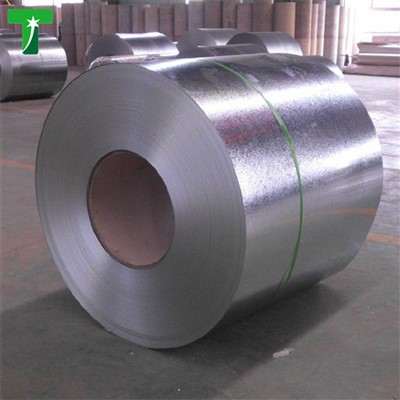
Hey there! As a corrugated sheet supplier, I often get asked about the heat - transfer coefficient of corrugated sheets. So, let's dig into this topic and break it down in simple terms.
First off, what exactly is the heat - transfer coefficient? Well, it's a measure of how easily heat can move through a material. In the case of corrugated sheets, it tells us how well these sheets can either conduct heat in or out of a space. A high heat - transfer coefficient means that heat can pass through the sheet quickly, while a low one indicates that the sheet is a good insulator and slows down the heat flow.
There are a few factors that can affect the heat - transfer coefficient of corrugated sheets. One of the main ones is the material the sheet is made of. For example, metal corrugated sheets, like the DX54D Corrugated Galvanized Roofing Sheet and DX51D Galvanized Roofing Sheet, generally have a relatively high heat - transfer coefficient. Metals are good conductors of heat, so they allow heat to move through them quite efficiently. This can be a problem in some situations, like in hot climates where you want to keep the interior of a building cool.
On the other hand, if the corrugated sheets are made of a more insulating material, the heat - transfer coefficient will be lower. Some composite or plastic - based corrugated sheets can offer better insulation properties. These materials don't conduct heat as well as metals, so they can help reduce the amount of heat that enters or leaves a building.
The shape of the corrugation also plays a role. The corrugated design creates air pockets within the sheet. These air pockets act as insulators because air is a poor conductor of heat. The more complex the corrugation pattern and the larger the air pockets, the lower the heat - transfer coefficient can be. So, corrugated sheets with a well - designed pattern can help save on energy costs by reducing the need for heating or cooling.
Another factor is the thickness of the sheet. Thicker corrugated sheets generally have a lower heat - transfer coefficient. A thicker material provides more resistance to heat flow, kind of like having an extra layer of protection against heat. But there's a trade - off here. Thicker sheets can be heavier and more expensive.
Let's talk about some real - world applications. In industrial buildings, metal corrugated sheets are often used for roofing and siding. While they are durable and cost - effective, their high heat - transfer coefficient can lead to high energy bills. To counter this, some companies add insulation layers beneath the corrugated sheets. This combination helps to lower the overall heat - transfer coefficient of the building envelope.
In residential construction, Corrugated Iron Roof Sheets are also popular. However, homeowners are becoming more aware of the importance of energy efficiency. That's where choosing the right type of corrugated sheets with a lower heat - transfer coefficient can make a big difference. It can keep the house cooler in summer and warmer in winter, reducing the reliance on air - conditioning and heating systems.
Now, if you're in the market for corrugated sheets, it's crucial to consider the heat - transfer coefficient based on your specific needs. If you're building in a hot climate, you'll want sheets with a lower heat - transfer coefficient. For a building in a mild climate, you might have more flexibility.
As a corrugated sheet supplier, I can offer a wide range of options to suit different requirements. Whether you need high - performance insulation sheets or cost - effective metal sheets, we've got you covered. We can provide you with detailed information about the heat - transfer coefficients of our products, so you can make an informed decision.
If you're interested in discussing your project and finding the right corrugated sheets for you, don't hesitate to reach out. We're here to help you get the best solution for your heat - transfer needs. You can start a conversation with us to learn more about the various products we offer and how they can benefit your construction project.


References
- Incropera, F. P., & DeWitt, D. P. (2002). Introduction to Heat Transfer. Wiley.
- Cengel, Y. A. (2003). Heat Transfer: A Practical Approach. McGraw - Hill.