


Lightning is a powerful and often terrifying natural phenomenon that has intrigued and concerned humans for centuries. When it comes to roofing materials, one question that frequently arises is whether galvanized roof panels attract lightning. As a supplier of Galvanized Roof Panels, I've encountered this query numerous times. In this blog, we'll delve into the science behind lightning and galvanized roof panels to provide a clear answer.
Understanding Lightning
Lightning is essentially a massive electrical discharge caused by the imbalance of electrical charges within clouds or between clouds and the ground. During a thunderstorm, clouds accumulate electrical charges, with the bottom part of the cloud usually becoming negatively charged. This negative charge induces a positive charge on the ground and objects near it. When the electrical potential difference becomes large enough, a lightning bolt is formed as a path for the electrical current to flow between the cloud and the ground.
Galvanized Roof Panels: Composition and Properties
Galvanized roof panels are made of steel that has been coated with a layer of zinc through a process called galvanization. This zinc coating serves as a protective barrier, preventing the steel from rusting and extending the lifespan of the roof panels. Zinc is a good conductor of electricity, which is one of the reasons why people might think that galvanized roof panels attract lightning.
However, it's important to note that the ability of an object to attract lightning is not solely determined by its electrical conductivity. Lightning is more likely to strike the tallest object in an area because it provides the shortest path for the electrical current to travel from the cloud to the ground. This is known as the "lightning rod effect."
The Myth of Galvanized Roof Panels Attracting Lightning
Contrary to popular belief, galvanized roof panels do not attract lightning any more than other roofing materials. The height and location of a building are the primary factors that determine its likelihood of being struck by lightning. A tall building with a galvanized roof is more likely to be struck by lightning than a short building with the same type of roof, simply because it is closer to the clouds.
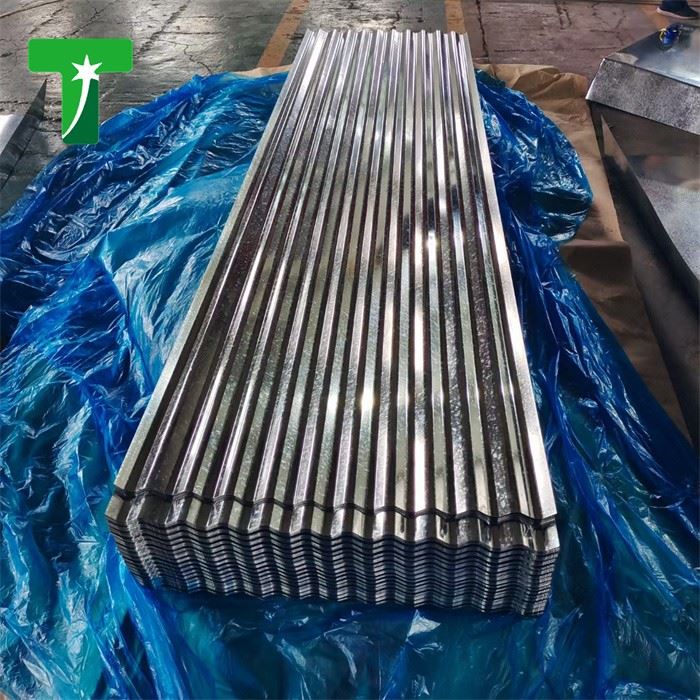
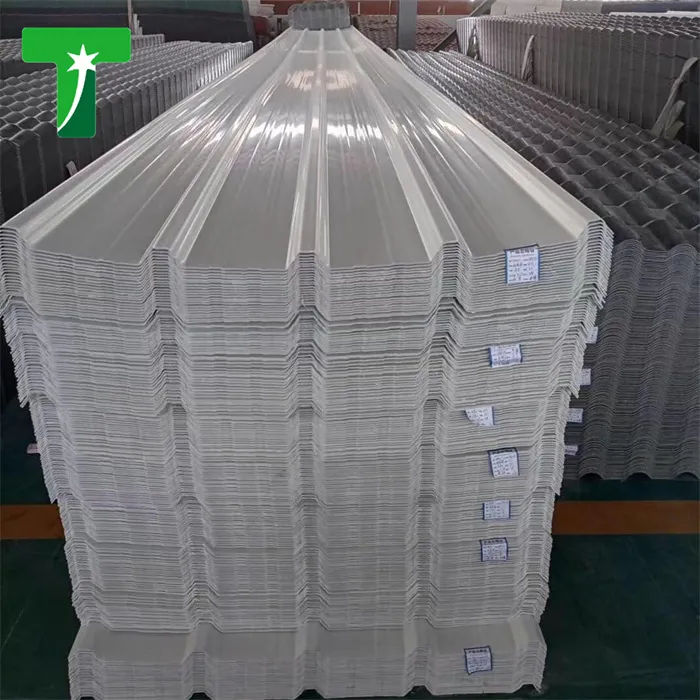
In fact, the zinc coating on galvanized roof panels can actually provide some protection against lightning strikes. When a lightning bolt hits a galvanized roof panel, the zinc coating can help to distribute the electrical current evenly across the surface of the panel, reducing the risk of damage to the underlying steel. This is similar to the way that a lightning rod works, which is designed to conduct the electrical current safely to the ground.
Other Factors to Consider
While galvanized roof panels do not attract lightning, there are other factors that can increase the risk of a lightning strike. For example, buildings located in areas with a high frequency of thunderstorms are more likely to be struck by lightning than those in areas with less lightning activity. Additionally, buildings that are isolated or located on high ground are also more vulnerable to lightning strikes.
To reduce the risk of lightning damage, it's important to take appropriate safety measures. This includes installing a lightning protection system, which typically consists of a network of lightning rods, conductors, and grounding devices. A lightning protection system can help to divert the electrical current from a lightning strike safely to the ground, protecting the building and its occupants.
Our Galvanized Roof Panels
At our company, we offer a wide range of Galvanized Roof Panels that are designed to provide long-lasting protection and durability. Our panels are made from high-quality steel and are coated with a thick layer of zinc to ensure maximum corrosion resistance.
We also offer DX51D Galvanized Roofing Sheet, which is a popular choice for roofing applications due to its excellent strength and formability. Our DX51D sheets are available in a variety of thicknesses and sizes to meet the specific needs of our customers.
In addition to our galvanized roof panels, we also offer Corrugated Metal Steel Sheet For Construction, which is commonly used in a variety of construction projects, including roofing, siding, and flooring. Our corrugated sheets are made from high-quality steel and are available in a range of colors and finishes to match the aesthetic requirements of any project.
Conclusion
In conclusion, galvanized roof panels do not attract lightning any more than other roofing materials. The height and location of a building are the primary factors that determine its likelihood of being struck by lightning. While the zinc coating on galvanized roof panels can provide some protection against lightning strikes, it's still important to take appropriate safety measures to reduce the risk of damage.
If you're in the market for high-quality galvanized roof panels or other roofing materials, we invite you to contact us for more information. Our team of experts can help you choose the right products for your project and provide you with professional installation services. We look forward to working with you to create a safe and durable roof for your home or business.
References
- Uman, M. A. (2001). The Lightning Discharge. Academic Press.
- National Fire Protection Association. (2017). NFPA 780: Standard for the Installation of Lightning Protection Systems.


