


Hey there! I'm a supplier of high carbon steel plates. While high carbon steel plates are widely used in many industries for their strength and durability, they're not without their drawbacks. In this blog, I'll share some of the disadvantages of international high carbon steel plates based on my experience in the business.
1. Poor Weldability
One of the major issues with high carbon steel plates is their poor weldability. High carbon content means that when you try to weld these plates, there's a high chance of forming hard and brittle martensite in the heat - affected zone. This martensite can lead to cracking, which seriously compromises the integrity of the welded joint.
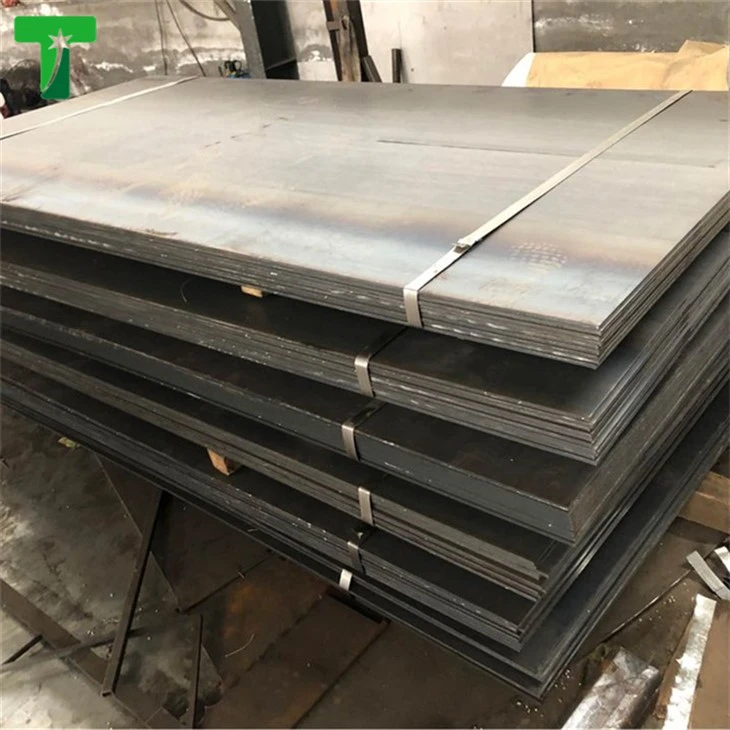

For example, in construction projects where high carbon steel plates are used to build large structures, if the welds crack, it can pose a significant safety risk. And fixing these cracks is no easy task. You often have to go through complex heat - treatment processes after welding to improve the ductility of the heat - affected zone.
Let's say you're working on a bridge project and using High Strength Carbon Steel Plate. Welding these plates requires a high level of skill and proper pre - and post - welding procedures. If not done correctly, the whole structure could be at stake.
2. High Cost
The production cost of high carbon steel plates is relatively high. First of all, the raw materials for high carbon steel are more expensive compared to low - carbon steel. The high carbon content needs to be carefully controlled during the manufacturing process, which requires more precise equipment and strict quality control measures.
Also, the heat - treatment processes that high carbon steel plates usually go through are energy - intensive and time - consuming. For instance, quenching and tempering are common heat - treatment methods for high carbon steel to achieve the desired hardness and strength. These processes add to the overall production cost.
When it comes to international trade, the cost is further inflated by transportation, import/export duties, and currency exchange rates. So, for many small and medium - sized enterprises, the high cost of high carbon steel plates can be a deterrent. They may look for alternative materials that are more cost - effective, even if they don't have the exact same properties.
3. Limited Ductility
High carbon steel plates have limited ductility. Ductility refers to the ability of a material to deform plastically before fracturing. With high carbon steel, once the stress exceeds a certain level, it tends to fracture rather than deform.
This lack of ductility can be a problem in applications where the material needs to undergo some form of deformation. For example, in the automotive industry, parts made from high carbon steel may not be able to withstand the impact forces during a collision as well as more ductile materials. If a car bumper is made of high carbon steel, it may shatter instead of absorbing the impact energy through deformation, which can be dangerous for the passengers.
4. Corrosion Susceptibility
High carbon steel plates are more susceptible to corrosion compared to some other types of steel. The high carbon content can create micro - galvanic cells within the steel structure, which accelerate the corrosion process.
In a marine environment, for example, high carbon steel plates used in shipbuilding or offshore platforms can corrode quickly. Rust can form on the surface of the plates, which not only affects the appearance but also reduces the strength and thickness of the plates over time.
To prevent corrosion, additional protective measures such as painting, galvanizing, or using corrosion - resistant coatings are required. These protective measures add to the cost and maintenance requirements. For instance, if you're using AISI 1095 High Carbon Steel Plate in a coastal area, you'll need to regularly check and maintain the anti - corrosion coatings to ensure the longevity of the plates.
5. Machining Difficulties
Machining high carbon steel plates can be a real challenge. The high hardness of high carbon steel makes it difficult to cut, drill, or shape. Cutting tools wear out quickly when machining high carbon steel, which increases the tooling cost.
Also, the chips produced during machining are often hard and brittle, which can cause problems in chip removal. In a machining workshop, if you're trying to make precision parts from high carbon steel plates, you need to use specialized cutting tools and machining parameters. This requires more expertise and time, which can slow down the production process.
For example, when manufacturing high - precision components for the aerospace industry using GCr15 Carbon Steel Plate, the machining process needs to be carefully controlled to ensure the accuracy and surface finish of the parts. Any mistakes in machining can lead to the rejection of the parts, resulting in wasted materials and time.
Conclusion
Despite these disadvantages, high carbon steel plates still have their place in many industries due to their high strength and hardness. But it's important for buyers to be aware of these drawbacks so that they can make informed decisions.
If you're in the market for high carbon steel plates and think that the advantages outweigh the disadvantages for your specific application, don't hesitate to reach out. We can have a detailed discussion about your requirements, and I'll do my best to provide you with the right products at a reasonable price. Whether it's for construction, automotive, or any other industry, we've got a wide range of high carbon steel plates to meet your needs. Let's start a conversation and see how we can work together!
References
- "Steel Metallurgy and Applications" by George E. Totten
- "Handbook of Steel Selection" by David L. Bourell


