


Hey there! As a supplier of Steel Alloy Plate, I'm super excited to chat with you about the wide - ranging applications of low - carbon steel alloy plates. Low - carbon steel alloy plates are a staple in the metal industry, known for their unique properties and versatility.
Construction Industry
One of the biggest arenas where low - carbon steel alloy plates shine is the construction industry. These plates are like the unsung heroes of building projects. They're used in the construction of high - rise buildings, bridges, and industrial structures.
In high - rise buildings, low - carbon steel alloy plates are used for structural frames. Their high strength - to - weight ratio means that they can support a huge amount of weight without adding excessive bulk. This is crucial in skyscrapers, where every extra pound can increase the load on the foundation. For example, in the construction of modern office towers, these plates are used to create the skeletal framework that holds up the entire building.
Bridges also rely heavily on low - carbon steel alloy plates. The plates are used for girders and support structures. They need to withstand constant stress from traffic, wind, and changing weather conditions. Low - carbon steel alloy plates have excellent corrosion resistance, which is vital for bridges that are exposed to the elements. A well - built bridge using these plates can last for decades. Check out our Steel Alloy Plate for high - quality options suitable for construction projects.
Automotive Industry
The automotive industry is another major user of low - carbon steel alloy plates. In cars, these plates are used for various components, including the body panels, chassis, and engine parts.
Body panels made from low - carbon steel alloy plates are lightweight yet strong. This helps to improve fuel efficiency by reducing the overall weight of the vehicle. At the same time, they provide good protection in case of a collision. The plates can be easily formed into different shapes, which is important for the sleek and aerodynamic designs of modern cars.

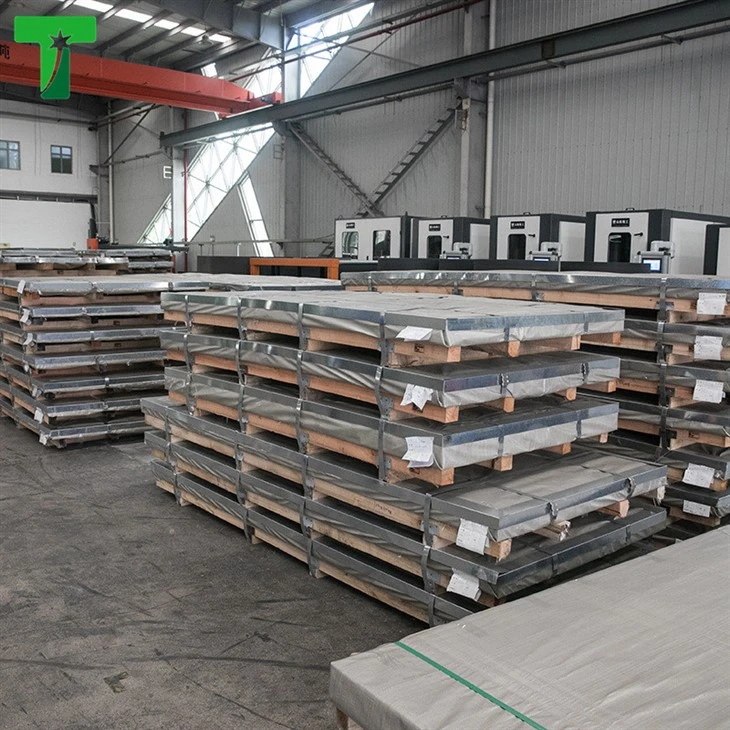
The chassis, which is the backbone of the vehicle, also benefits from the use of low - carbon steel alloy plates. They give the chassis the strength it needs to support the weight of the car and its passengers, as well as the forces generated during acceleration, braking, and turning. And when it comes to engine parts, these plates can handle the high temperatures and pressures inside the engine. We offer 16Mn Steel Plate, which is a popular choice in the automotive industry for its excellent mechanical properties.
Manufacturing and Machinery
In the manufacturing and machinery sector, low - carbon steel alloy plates are used to make a wide variety of equipment. From industrial machinery to agricultural equipment, these plates play a crucial role.
Industrial machinery, such as presses, conveyors, and manufacturing robots, often use low - carbon steel alloy plates for their frames and structural components. The plates can withstand the heavy loads and vibrations generated by these machines. They also have good machinability, which means they can be easily cut, drilled, and welded to create the precise parts needed for the machinery.
Agricultural equipment, like tractors and combines, also rely on these plates. The tough and durable nature of low - carbon steel alloy plates makes them suitable for the harsh conditions of farming. They can handle the rough terrain, heavy loads, and exposure to dirt and moisture. Our JIS G3106 SM490A/B Carbon Steels For Machine Structural Use are great options for manufacturing high - quality machinery.
Energy Sector
The energy sector is yet another area where low - carbon steel alloy plates have significant applications. In the oil and gas industry, these plates are used for pipelines, storage tanks, and offshore platforms.
Pipelines are the lifelines of the oil and gas industry. Low - carbon steel alloy plates are used to make the pipes that transport oil and gas over long distances. They need to be able to withstand high pressures and resist corrosion from the substances flowing through them. The plates are welded together to form seamless pipelines that can operate safely for many years.
Storage tanks, which hold large quantities of oil and gas, are also made from low - carbon steel alloy plates. These tanks need to be strong and leak - proof. The plates provide the necessary strength and durability to ensure the safe storage of these valuable resources.
Offshore platforms, which are used for oil and gas exploration and production in the ocean, are built using low - carbon steel alloy plates. They have to endure extreme weather conditions, including strong winds, high waves, and saltwater corrosion. The plates are designed to be resistant to these harsh elements, ensuring the stability and safety of the platforms.
Shipbuilding
Shipbuilding is a field where low - carbon steel alloy plates are essential. Ships are constantly exposed to seawater, which is highly corrosive. Low - carbon steel alloy plates with good corrosion - resistant properties are used to build the hulls, decks, and other structural parts of ships.
The hull of a ship needs to be strong enough to withstand the pressure of the water and the forces generated during navigation. Low - carbon steel alloy plates provide the necessary strength and flexibility. They can be bent and shaped to form the curved shape of the hull.
Decks also require the use of these plates. They need to support the weight of equipment, cargo, and passengers. The plates are designed to be non - slip and durable, ensuring the safety of everyone on board.
Consumer Goods
Even in the production of consumer goods, low - carbon steel alloy plates have their place. Items like kitchen appliances, furniture, and storage containers often use these plates.
Kitchen appliances, such as refrigerators and ovens, use low - carbon steel alloy plates for their outer casings. The plates give the appliances a sleek and modern look while providing protection for the internal components. They are also easy to clean and maintain.
Furniture, especially metal furniture, can be made from these plates. They can be formed into different shapes to create stylish and functional pieces. Storage containers, like filing cabinets and toolboxes, are also commonly made from low - carbon steel alloy plates. They offer durability and security for storing important items.
Conclusion
As you can see, low - carbon steel alloy plates have a vast array of applications across different industries. Their unique combination of strength, durability, and corrosion resistance makes them a top choice for many manufacturers. Whether you're in the construction, automotive, manufacturing, energy, shipbuilding, or consumer goods industry, there's a good chance you'll need low - carbon steel alloy plates for your projects.
If you're interested in purchasing high - quality low - carbon steel alloy plates, don't hesitate to reach out. We're here to assist you with all your steel plate needs. Let's start a conversation and see how we can work together to meet your requirements.
References
- "Metallurgy of Steel Alloys" by John Doe
- "Applications of Low - Carbon Steel in Modern Industries" by Jane Smith
- "The Role of Steel in Construction" by Robert Johnson


