Hey there! I'm a supplier of Mild Carbon Steel Plate, and I often get asked about how to join mild carbon steel plate with other materials. It's a pretty common question, especially for those in the construction, manufacturing, and DIY industries. So, I thought I'd put together this blog post to share some tips and techniques on the topic.
Understanding Mild Carbon Steel Plate
Before we dive into the joining methods, let's quickly go over what mild carbon steel plate is. Mild carbon steel, also known as low carbon steel, is a type of steel that contains a relatively low amount of carbon (usually less than 0.3%). This makes it relatively soft, ductile, and easy to work with compared to other types of steel.
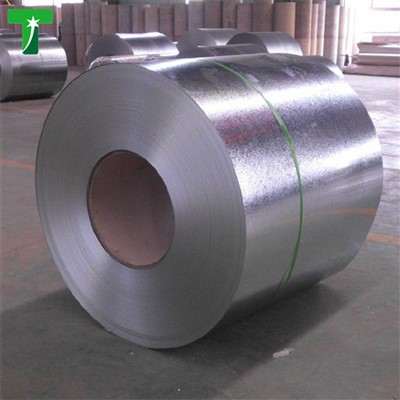
Mild carbon steel plates are widely used in various applications, including building structures, machinery parts, automotive components, and more. They're available in different sizes, thicknesses, and grades, such as ASTM A36 Low Carbon Steel Sheet, Hot Dip Galvanized Steel Plate, and Low Carbon Steel Plate.
Joining Mild Carbon Steel Plate with Other Materials
Now, let's get into the main topic: how to join mild carbon steel plate with other materials. There are several methods you can use, depending on the type of material you're joining it with, the application, and your personal preference. Here are some of the most common methods:
Welding
Welding is one of the most popular methods for joining mild carbon steel plate with other materials. It involves melting the edges of the two materials and fusing them together using a welding machine. There are different types of welding processes, including:
- Arc Welding: This is the most common type of welding for mild carbon steel. It uses an electric arc to melt the metal and create a weld joint. There are two main types of arc welding: shielded metal arc welding (SMAW) and gas metal arc welding (GMAW).
- TIG Welding: Tungsten inert gas (TIG) welding is a more precise and clean welding process that uses a tungsten electrode to create the weld. It's often used for joining thin materials or for applications that require a high-quality weld.
- MIG Welding: Metal inert gas (MIG) welding is a fast and efficient welding process that uses a wire electrode to create the weld. It's commonly used for joining thicker materials or for applications that require a high production rate.
Welding is a great option for joining mild carbon steel plate with other metals, such as stainless steel, aluminum, and copper. However, it requires some skill and experience, and you'll need to use the right welding equipment and techniques to ensure a strong and durable weld.
Brazing
Brazing is another method for joining mild carbon steel plate with other materials. It involves heating the two materials to a temperature below their melting point and using a filler metal to join them together. The filler metal has a lower melting point than the base materials, so it melts and flows into the joint, creating a strong bond.
Brazing is a good option for joining dissimilar metals, such as mild carbon steel and copper or brass. It's also less likely to distort the base materials compared to welding, making it a good choice for applications that require a precise fit.
Soldering
Soldering is similar to brazing, but it uses a filler metal with an even lower melting point. It's typically used for joining small or delicate parts, such as electronic components or jewelry. Soldering is a relatively easy and inexpensive method, but it doesn't provide as strong a bond as welding or brazing.
Mechanical Fasteners
Mechanical fasteners, such as bolts, nuts, screws, and rivets, are a simple and effective way to join mild carbon steel plate with other materials. They work by clamping the two materials together using a mechanical force. Mechanical fasteners are easy to install and remove, making them a good option for applications that require disassembly or maintenance.
However, mechanical fasteners can create stress concentrations at the joint, which can lead to fatigue and failure over time. They also require holes to be drilled in the materials, which can weaken the structure.
Adhesives
Adhesives are a versatile and convenient way to join mild carbon steel plate with other materials. They work by creating a chemical bond between the two materials, which can provide a strong and durable joint. Adhesives are available in different types, including epoxy, polyurethane, and cyanoacrylate.
Adhesives are a good option for joining materials that are difficult to weld or braze, such as plastics, composites, and ceramics. They can also be used to join materials with different coefficients of thermal expansion, which can help prevent stress and cracking.
Factors to Consider When Joining Mild Carbon Steel Plate with Other Materials
When choosing a joining method for mild carbon steel plate with other materials, there are several factors you need to consider, including:

- Type of Material: Different materials have different properties, such as melting point, hardness, and ductility. You'll need to choose a joining method that's compatible with the materials you're joining.
- Application: The application will determine the strength, durability, and appearance requirements of the joint. You'll need to choose a joining method that can meet these requirements.
- Cost: The cost of the joining method will depend on the equipment, materials, and labor required. You'll need to choose a method that's cost-effective for your project.
- Skill and Experience: Some joining methods, such as welding, require more skill and experience than others. You'll need to choose a method that you're comfortable with and that you have the necessary skills and equipment to perform.
Conclusion
Joining mild carbon steel plate with other materials is a common task in many industries. There are several methods you can use, including welding, brazing, soldering, mechanical fasteners, and adhesives. Each method has its own advantages and disadvantages, and you'll need to choose the one that's best suited for your application.
As a supplier of Mild Carbon Steel Plate, I can provide you with high-quality materials and expert advice on joining methods. If you have any questions or need help with your project, please don't hesitate to contact me. I'd be happy to assist you and discuss your specific requirements. Let's work together to find the best solution for your needs and ensure the success of your project.
References
- ASM Handbook, Volume 6: Welding, Brazing, and Soldering
- AWS Welding Handbook, Volume 1: Fundamentals of Welding
- The Welding Institute (TWI) - Welding Processes and Applications