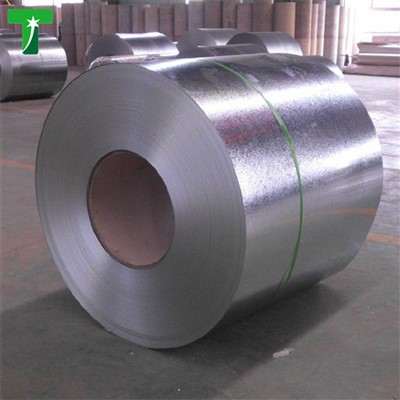
Hey there! As a supplier of mild carbon steel plates, I often get asked if mild carbon steel plate can be hot-formed. Well, the short answer is yes, it can! But there's a lot more to it than just that simple yes. So, let's dive into the details and explore the ins and outs of hot-forming mild carbon steel plates.
First off, let's talk a bit about what mild carbon steel is. Mild carbon steel, also known as low carbon steel, is a type of steel that has a relatively low carbon content, usually ranging from 0.05% to 0.3%. This low carbon content gives mild carbon steel some pretty cool properties. It's relatively soft, ductile, and easy to work with, which makes it a popular choice for a wide range of applications, from construction to automotive manufacturing.
Now, let's get to the main question: Can mild carbon steel plate be hot-formed? The answer is a resounding yes. Hot-forming is a process where the steel is heated to a high temperature, typically above its recrystallization temperature, and then shaped into the desired form. For mild carbon steel, the recrystallization temperature is usually around 700 - 900°C (1292 - 1652°F). When the steel is heated to this temperature range, it becomes more malleable and easier to shape.
One of the main advantages of hot-forming mild carbon steel plate is that it allows for the creation of complex shapes that would be difficult or impossible to achieve through cold-forming. Cold-forming, which is done at room temperature, can cause the steel to become brittle and crack, especially when trying to form sharp angles or complex curves. Hot-forming, on the other hand, reduces the risk of cracking and allows for greater flexibility in the shaping process.
Another advantage of hot-forming mild carbon steel plate is that it can improve the mechanical properties of the steel. When the steel is heated and then cooled, it undergoes a process called heat treatment, which can change its microstructure and improve its strength, hardness, and toughness. This means that hot-formed mild carbon steel plates can often have better performance characteristics than their cold-formed counterparts.
However, hot-forming mild carbon steel plate isn't without its challenges. One of the main challenges is controlling the temperature during the hot-forming process. If the steel is heated too much, it can become overheated and lose its strength and ductility. On the other hand, if it's not heated enough, it may not be malleable enough to be shaped properly. This requires careful monitoring and control of the heating process to ensure that the steel is heated to the right temperature and for the right amount of time.
Another challenge is dealing with the oxidation of the steel during the hot-forming process. When the steel is heated in the presence of oxygen, it can form a layer of oxide on its surface, which can affect the quality of the final product. To prevent this, special coatings or protective atmospheres can be used during the hot-forming process.
Now, let's take a look at some of the specific types of mild carbon steel plates that can be hot-formed. One popular type is the ASTM A36 Low Carbon Steel Sheet. ASTM A36 is a standard specification for carbon structural steel, and it's widely used in construction and other applications. This type of steel has good weldability and formability, making it suitable for hot-forming.
Another type is the Q195 Roofing Sheet. Q195 is a Chinese standard for low carbon steel, and it's often used for roofing and other building applications. It has a relatively low yield strength and good ductility, which makes it easy to hot-form into various shapes.
The S275JR Steel Plate is also a popular choice for hot-forming. S275JR is a European standard for non-alloy structural steel, and it has good mechanical properties and formability. It's commonly used in general construction and engineering applications.


In conclusion, mild carbon steel plate can definitely be hot-formed, and it offers many advantages in terms of shape complexity and improved mechanical properties. However, it also requires careful control of the hot-forming process to ensure the best results. If you're in the market for mild carbon steel plates for hot-forming applications, we're here to help. We offer a wide range of high-quality mild carbon steel plates that are suitable for hot-forming. Whether you need ASTM A36, Q195, or S275JR, we've got you covered. If you have any questions or would like to discuss your specific requirements, feel free to reach out and start a conversation about your procurement needs.
References
- "Metallurgy for Dummies" by Jeff Hovanec
- "Steel Construction Manual" by American Institute of Steel Construction