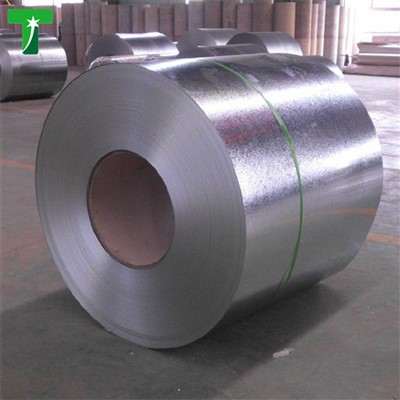
When it comes to working with galvanized sheets, one of the primary concerns is the tools required for cutting. As a trusted galvanized sheet supplier, I've witnessed firsthand the importance of having the right equipment for the job. In this blog post, I'll delve into the various tools that are essential for cutting galvanized sheets, their features, and how they can enhance your work efficiency.
Understanding Galvanized Sheets
Before we dive into the cutting tools, it's crucial to understand what galvanized sheets are. Galvanized sheets are steel sheets that have been coated with a layer of zinc to protect them from corrosion. This zinc coating not only extends the lifespan of the steel but also gives it a shiny, metallic appearance. Galvanized sheets are widely used in various industries, including construction, automotive, and manufacturing, due to their durability and affordability.
We offer a wide range of galvanized sheets, such as GI Sheet Coil, Q355 Galvanized Carbon Steel Coil For Building, and S235JR Galvanized Carbon Steel Coil. These products are known for their high quality and excellent performance, making them a popular choice among our customers.
Essential Tools for Cutting Galvanized Sheets
Tin Snips
Tin snips are one of the most basic and commonly used tools for cutting galvanized sheets. They are hand - held cutting tools that come in different types, including straight - cut, left - cut, and right - cut snips. Straight - cut tin snips are used for making straight cuts, while left - cut and right - cut snips are designed for making curved cuts in the corresponding directions.
Tin snips are ideal for cutting thin galvanized sheets, typically up to 24 gauge. They are easy to use, portable, and relatively inexpensive. However, they require manual force, which can be tiring for large - scale cutting jobs.
Jigsaw
A jigsaw is a power tool that uses a reciprocating blade to cut through various materials, including galvanized sheets. It is a versatile tool that can make straight, curved, and angled cuts. Jigsaws are available in corded and cordless models, offering flexibility in terms of mobility.
When using a jigsaw to cut galvanized sheets, it's important to choose the right blade. A fine - tooth blade with a high number of teeth per inch (TPI) is recommended to ensure a clean and smooth cut. Jigsaws are suitable for cutting medium - thickness galvanized sheets, usually up to 16 gauge.
Circular Saw
Circular saws are powerful cutting tools that use a rotating circular blade to cut through materials. They are commonly used for making straight cuts in large sheets of galvanized steel. Circular saws can be either handheld or table - mounted, depending on the size and complexity of the job.
For cutting galvanized sheets, a carbide - tipped blade is preferred as it can withstand the wear and tear caused by the zinc coating. Circular saws can cut through thicker galvanized sheets, up to 1/4 inch in some cases. However, they generate a significant amount of heat and sparks, so proper safety precautions, such as wearing safety glasses and gloves, are necessary.
Angle Grinder
An angle grinder is a versatile power tool that can be used for cutting, grinding, and polishing. It uses a rotating abrasive disc to cut through materials, including galvanized sheets. Angle grinders are known for their high cutting speed and ability to cut through thick materials.
When using an angle grinder to cut galvanized sheets, a cutting disc specifically designed for metal should be used. Angle grinders are suitable for cutting thick galvanized sheets, typically over 1/4 inch. However, they produce a lot of dust and sparks, and the cutting process can be noisy.
Guillotine Shear
A guillotine shear is a heavy - duty cutting tool used for making straight cuts in large sheets of galvanized steel. It works by using a sharp blade that moves down vertically to shear through the material. Guillotine shears are commonly used in industrial settings for high - volume cutting jobs.
Guillotine shears can cut through thick galvanized sheets with precision and speed. They are available in different sizes and capacities, allowing for customization based on the specific requirements of the job. However, they are expensive and require a significant amount of space for installation.
Factors to Consider When Choosing Cutting Tools
When selecting the right cutting tool for galvanized sheets, several factors need to be considered:
Thickness of the Galvanized Sheet
The thickness of the galvanized sheet is a crucial factor in determining the appropriate cutting tool. As mentioned earlier, thin sheets (up to 24 gauge) can be cut using tin snips, while thicker sheets require more powerful tools such as circular saws, angle grinders, or guillotine shears.
Cutting Accuracy
If high cutting accuracy is required, tools like jigsaws and guillotine shears are better choices. They allow for more precise control over the cutting process, resulting in clean and accurate cuts.
Volume of Cutting
For small - scale cutting jobs, hand - held tools like tin snips and jigsaws may be sufficient. However, for large - volume cutting, power tools such as circular saws, angle grinders, and guillotine shears are more efficient.
Safety
Safety should always be a top priority when working with cutting tools. Tools that generate a lot of heat, sparks, or dust, such as circular saws and angle grinders, require proper safety equipment and precautions.
Maintenance of Cutting Tools
Proper maintenance of cutting tools is essential to ensure their longevity and performance. Here are some general maintenance tips:


Blade Sharpening
Regularly sharpen the blades of tin snips, jigsaws, circular saws, and other cutting tools. A sharp blade not only makes the cutting process easier but also ensures a clean and smooth cut.
Cleaning
After each use, clean the cutting tools to remove any debris, dust, or metal shavings. This helps prevent corrosion and damage to the tools.
Lubrication
Some cutting tools, such as circular saws and jigsaws, may require lubrication to reduce friction and heat. Follow the manufacturer's instructions for proper lubrication.
Conclusion
Cutting galvanized sheets requires the right tools and techniques. Whether you're a DIY enthusiast or a professional contractor, choosing the appropriate cutting tool based on the thickness of the sheet, cutting accuracy, volume of cutting, and safety considerations is crucial.
As a galvanized sheet supplier, we are committed to providing high - quality products and helping our customers find the best solutions for their projects. If you have any questions about cutting galvanized sheets or need advice on choosing the right tools, please feel free to contact us. We look forward to discussing your procurement needs and working with you on your next project.
References
- Machinery's Handbook: A comprehensive reference book for mechanical engineers and machinists, providing detailed information on cutting tools and techniques.
- Galvanized Steel Sheet Manufacturer's Guides: These guides offer specific recommendations on cutting and working with their galvanized sheet products.
- Safety Standards for Metal Cutting Tools: Published by relevant safety organizations, these standards outline the safety requirements for using cutting tools.