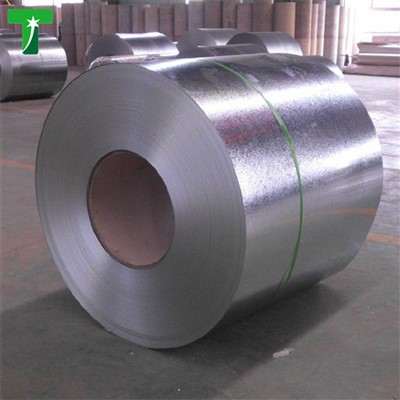
Hey there! I'm a supplier of steel alloy plates, and I know firsthand how crucial it is to ensure top - notch quality during production. In this blog, I'll share some key steps and strategies that we follow to make sure our steel alloy plates meet the highest standards.
1. Raw Material Selection
The quality of steel alloy plates starts with the raw materials. We're super picky about the iron ore, scrap metal, and alloying elements we use. For instance, when it comes to alloying elements like manganese, chromium, and nickel, we source them from reliable suppliers. These elements play a vital role in enhancing the strength, hardness, and corrosion resistance of the steel.
Let's take a look at some of our popular products. We offer A572 Gr.50 Alloy Steel Plate. This type of plate is known for its high yield strength and good weldability. To make sure it lives up to its reputation, we carefully select the raw materials to get the right chemical composition. Another one is A533 - Gr.A.I Alloy Steel Plate, which is often used in pressure vessels. The raw material selection for this plate is even more critical because of its application in high - pressure environments.
Before we start using any raw material, we conduct thorough tests. We use spectrometers to analyze the chemical composition of the materials. This helps us ensure that the materials meet our strict specifications. Any material that doesn't meet the requirements is rejected right away.
2. Melting and Refining Process
Once we've got the right raw materials, it's time to melt them down. We use electric arc furnaces or basic oxygen furnaces, depending on the type of steel alloy we're producing. The melting process is carefully controlled to ensure uniform melting and to avoid any impurities.
During the melting process, we add alloying elements at the right time and in the right amounts. This is a delicate balance because adding too much or too little of an element can affect the properties of the final product. For example, if we're making 16Mn Steel Plate, we need to add the right amount of manganese to achieve the desired strength and toughness.
After melting, the steel goes through a refining process. This is where we remove any remaining impurities, such as sulfur, phosphorus, and oxygen. We use techniques like ladle refining and vacuum degassing. Ladle refining involves adding fluxes to the molten steel in a ladle to react with the impurities and form slag, which can then be removed. Vacuum degassing, on the other hand, removes dissolved gases like hydrogen from the steel by creating a vacuum environment.
3. Casting and Rolling
Once the steel is refined, it's time to cast it into slabs or billets. We use continuous casting machines, which offer better control over the casting process compared to traditional methods. The casting speed, temperature, and cooling rate are all carefully monitored to ensure the quality of the cast products.
After casting, the slabs or billets are sent to the rolling mill. Rolling is a crucial step in shaping the steel into plates. We use different types of rolling mills, such as hot rolling mills and cold rolling mills, depending on the requirements of the final product.
Hot rolling is usually the first step. The slabs are heated to a high temperature and then passed through a series of rolling stands. This process reduces the thickness of the slab and improves its mechanical properties. Cold rolling, on the other hand, is used to achieve a more precise thickness and a better surface finish.


During the rolling process, we constantly measure the thickness, width, and flatness of the plates. We use advanced measuring instruments, such as laser thickness gauges and flatness meters. If any deviation from the specifications is detected, we make adjustments to the rolling parameters right away.
4. Heat Treatment
Heat treatment is an important step in enhancing the mechanical properties of steel alloy plates. We use different heat treatment processes, such as annealing, quenching, and tempering, depending on the type of steel and its intended application.
Annealing is a process of heating the steel to a specific temperature and then cooling it slowly. This helps to relieve internal stresses, improve the ductility of the steel, and refine the grain structure. Quenching, on the other hand, involves heating the steel to a high temperature and then cooling it rapidly. This makes the steel harder and stronger. However, quenched steel is often brittle, so it needs to be tempered. Tempering is a process of heating the quenched steel to a lower temperature and then cooling it slowly. This reduces the brittleness and improves the toughness of the steel.
We carefully control the temperature, time, and cooling rate during the heat treatment process. We use computer - controlled furnaces to ensure accurate temperature control. After heat treatment, we conduct mechanical tests, such as tensile tests and hardness tests, to ensure that the plates meet the required mechanical properties.
5. Quality Control and Testing
Throughout the production process, we have a strict quality control system in place. We conduct a series of tests at different stages of production to ensure the quality of the steel alloy plates.
In addition to the chemical analysis and mechanical tests I mentioned earlier, we also perform non - destructive testing. This includes ultrasonic testing, magnetic particle testing, and radiographic testing. Ultrasonic testing is used to detect internal defects, such as cracks and inclusions, in the plates. Magnetic particle testing is used to detect surface and near - surface defects in ferromagnetic materials. Radiographic testing, on the other hand, uses X - rays or gamma rays to detect internal defects in the plates.
We also conduct surface inspection to check for any surface defects, such as scratches, pits, and rust. We use visual inspection and surface roughness measurement to ensure the surface quality of the plates.
6. Packaging and Storage
Once the plates pass all the tests, they are ready for packaging. We use high - quality packaging materials to protect the plates during transportation and storage. The plates are usually wrapped in plastic film or coated with anti - rust oil to prevent corrosion.
We also store the plates in a dry and well - ventilated environment. We stack the plates properly to avoid any deformation. Regular inspections are carried out during storage to ensure that the plates remain in good condition.
Conclusion
Ensuring the quality of steel alloy plates during production is a complex process that involves many steps. From raw material selection to packaging and storage, every step is crucial. By following strict quality control measures and using advanced production techniques, we can produce high - quality steel alloy plates that meet the needs of our customers.
If you're in the market for steel alloy plates and want to learn more about our products, feel free to reach out. We're always happy to have a chat and discuss your requirements. Let's start a conversation and see how we can work together to meet your steel alloy plate needs.
References
- ASM Handbook, Volume 1: Properties and Selection: Irons, Steels, and High - Performance Alloys
- Steelmaking and Refining Handbook: Theory and Practice by Benjamin El - Dabbagh
- Metals Handbook: Desk Edition, 3rd Edition