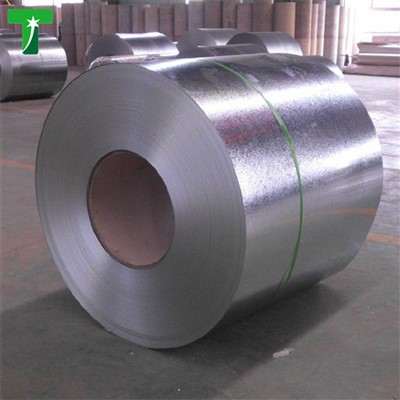
As a seasoned corrugated sheet supplier, I understand the importance of proper storage in maintaining the quality and longevity of these versatile products. Corrugated sheets are widely used in various industries, including construction, packaging, and transportation, due to their strength, durability, and cost-effectiveness. However, if not stored correctly, they can be susceptible to damage from moisture, rust, and mechanical stress. In this blog post, I will share some of the best practices for storing corrugated sheets to ensure they remain in optimal condition until they are ready for use.


Understanding Corrugated Sheets
Before we delve into the storage methods, it's essential to understand the different types of corrugated sheets available and their characteristics. Corrugated sheets are typically made from materials such as steel, aluminum, or plastic. Steel corrugated sheets, for example, are known for their high strength and durability, making them ideal for roofing and siding applications. Aluminum corrugated sheets, on the other hand, are lightweight and resistant to corrosion, making them suitable for areas with high humidity or coastal environments. Plastic corrugated sheets are often used for packaging and signage due to their flexibility and cost-effectiveness.
Our company offers a wide range of corrugated sheets, including Corrugated Iron Roof Sheets, DX51D Galvanized Roofing Sheet, and DX54D Corrugated Galvanized Roofing Sheet. Each type of sheet has its unique properties and storage requirements, which we will discuss in more detail below.
Factors Affecting Corrugated Sheet Storage
Several factors can affect the storage of corrugated sheets, including environmental conditions, handling, and stacking methods. Here are some of the key factors to consider:
- Moisture: Moisture is one of the biggest enemies of corrugated sheets, especially those made from steel. Exposure to moisture can cause rust and corrosion, which can weaken the sheets and reduce their lifespan. It's important to store corrugated sheets in a dry environment and protect them from rain, snow, and humidity.
- Temperature: Extreme temperatures can also affect the quality of corrugated sheets. High temperatures can cause the sheets to expand, while low temperatures can make them brittle. It's best to store corrugated sheets in a temperature-controlled environment to prevent damage.
- Mechanical Stress: Improper handling and stacking can cause mechanical stress on corrugated sheets, leading to dents, scratches, and other forms of damage. It's important to handle the sheets carefully and use appropriate lifting and stacking equipment to avoid damage.
- UV Exposure: Plastic corrugated sheets are particularly susceptible to UV damage. Prolonged exposure to sunlight can cause the sheets to become brittle and lose their strength. It's important to store plastic corrugated sheets in a shaded area or cover them with a UV-resistant protective film.
Best Practices for Storing Corrugated Sheets
Based on the factors discussed above, here are some of the best practices for storing corrugated sheets:
- Choose a Suitable Storage Location: The first step in storing corrugated sheets is to choose a suitable storage location. The location should be dry, well-ventilated, and protected from the elements. If possible, store the sheets indoors in a warehouse or storage facility. If outdoor storage is necessary, cover the sheets with a waterproof tarp or other protective covering.
- Use Proper Stacking Methods: When stacking corrugated sheets, it's important to use proper stacking methods to prevent damage. The sheets should be stacked flat and evenly, with the corrugations aligned. Avoid stacking the sheets too high, as this can cause the bottom sheets to become deformed or damaged. Use spacers or pallets between the layers of sheets to provide support and prevent scratching.
- Protect the Sheets from Moisture: To protect the sheets from moisture, it's important to keep them dry and use a moisture barrier. If storing the sheets outdoors, make sure the storage area is elevated and away from any sources of water. If storing the sheets indoors, use a dehumidifier to control the humidity levels.
- Handle the Sheets Carefully: When handling corrugated sheets, it's important to use proper lifting and handling equipment to avoid damage. Use a forklift or other lifting device with a flat, smooth surface to lift the sheets. Avoid dragging the sheets across rough surfaces or using sharp objects to cut or pry them.
- Inspect the Sheets Regularly: It's important to inspect the corrugated sheets regularly for signs of damage or deterioration. Check for rust, corrosion, dents, scratches, or other forms of damage. If any damage is found, take appropriate action to repair or replace the damaged sheets.
Storage Recommendations for Different Types of Corrugated Sheets
As mentioned earlier, different types of corrugated sheets have different storage requirements. Here are some specific storage recommendations for each type of sheet:
- Steel Corrugated Sheets: Steel corrugated sheets are prone to rust and corrosion, so it's important to store them in a dry environment. If storing the sheets outdoors, cover them with a waterproof tarp or other protective covering. If storing the sheets indoors, use a dehumidifier to control the humidity levels. It's also a good idea to apply a rust inhibitor to the sheets before storage to provide additional protection.
- Aluminum Corrugated Sheets: Aluminum corrugated sheets are resistant to corrosion, but they can still be damaged by moisture and mechanical stress. Store the sheets in a dry environment and use proper stacking and handling methods to prevent damage. Avoid storing the sheets in contact with other metals, as this can cause galvanic corrosion.
- Plastic Corrugated Sheets: Plastic corrugated sheets are lightweight and flexible, but they are also susceptible to UV damage and mechanical stress. Store the sheets in a shaded area or cover them with a UV-resistant protective film. Use proper stacking and handling methods to prevent damage, and avoid exposing the sheets to extreme temperatures or sharp objects.
Conclusion
Proper storage is essential for maintaining the quality and longevity of corrugated sheets. By following the best practices outlined in this blog post, you can ensure that your corrugated sheets remain in optimal condition until they are ready for use. If you have any questions or need further information about storing corrugated sheets, please don't hesitate to contact us. We are a leading supplier of corrugated sheets and can provide you with the expert advice and support you need.
If you are interested in purchasing corrugated sheets for your next project, we invite you to contact us for a quote. Our team of experts will be happy to help you choose the right type of sheet for your needs and provide you with competitive pricing and excellent customer service.
References
- "Corrugated Sheet Storage Guidelines." Industry Standard Publication.
- "Best Practices for Handling and Storing Metal Sheets." Metal Manufacturing Journal.
- "The Effects of Environmental Factors on Corrugated Sheet Durability." Research Report.