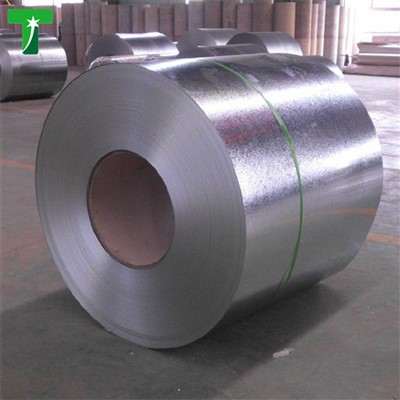
Hey there! I'm an alloy steel plate supplier, and today I'm stoked to chat about the applications of alloy steel plate in the packaging machinery manufacturing. Alloy steel plates are super versatile and bring a whole bunch of benefits to the table when it comes to making packaging machines.
First off, let's talk about what alloy steel plates are. They're basically steel plates that have had other elements added to them, like manganese, nickel, chromium, or molybdenum. These added elements give the steel some extra properties, like increased strength, better corrosion resistance, and improved toughness.
One of the key areas where alloy steel plates are used in packaging machinery is in the construction of the machine frames. Packaging machines need to be sturdy and stable to handle the high - speed and continuous operation. Alloy steel plates, such as the Steel Alloy Plate, offer excellent strength - to - weight ratios. This means that the frames can be made strong enough to withstand the vibrations and forces generated during the packaging process without being overly heavy. A lighter frame also makes the machine easier to install, move around, and maintain.
Another important application is in the cutting and forming parts of packaging machinery. When you're cutting and shaping packaging materials like cardboard, plastic, or metal foils, you need tools that can hold an edge and resist wear. Alloy steel plates, with their high hardness and wear - resistance, are perfect for this job. For example, the blades used in cardboard - cutting machines can be made from alloy steel. These blades stay sharp for longer periods, reducing the frequency of blade replacements and downtime for the machine. The 16Mn Steel Plate is often a great choice here because of its good combination of strength and toughness, which allows it to handle the repeated impacts and shearing forces involved in the cutting process.
In the food and beverage packaging industry, hygiene is a top priority. Packaging machines used in this sector need to be made from materials that are resistant to corrosion and easy to clean. Alloy steel plates, especially those with corrosion - resistant coatings or made from corrosion - resistant alloys, fit the bill perfectly. The Q355 Galvanized Sheet has a zinc coating that provides an extra layer of protection against rust and corrosion. This makes it suitable for parts of the machine that come into contact with liquids, such as filling nozzles or conveyor belts. A corrosion - free machine not only lasts longer but also ensures that the packaged products are not contaminated.
Alloy steel plates are also used in the conveyor systems of packaging machinery. Conveyor belts need to be able to move products smoothly and reliably. The rollers and guides that support the conveyor belts can be made from alloy steel. These parts need to be strong enough to support the weight of the packages being transported and durable enough to handle the continuous movement. Alloy steel's high fatigue resistance ensures that these components can withstand the repeated stress cycles without failing.
When it comes to the sealing mechanisms in packaging machines, alloy steel plates play a crucial role. Sealing is an important step in ensuring the integrity of the package. The sealing jaws or bars are often made from alloy steel. They need to be able to apply the right amount of pressure and heat evenly across the packaging material to create a strong seal. Alloy steel's good thermal conductivity and high strength allow for efficient and reliable sealing operations.
In addition to these direct applications, alloy steel plates can also be used in the development of new and innovative packaging machinery designs. Engineers can take advantage of the unique properties of alloy steel to create more compact, efficient, and high - performance machines. For example, by using thinner but stronger alloy steel plates, they can reduce the overall size of the machine without sacrificing its functionality.
Now, if you're in the packaging machinery manufacturing business, you're probably thinking about the cost - effectiveness of using alloy steel plates. While alloy steel plates may have a higher upfront cost compared to some other materials, the long - term benefits far outweigh the initial investment. Longer service life, reduced maintenance requirements, and improved machine performance all contribute to lower overall costs in the long run.
So, if you're looking for high - quality alloy steel plates for your packaging machinery manufacturing needs, I'd love to have a chat with you. Whether you need help choosing the right type of alloy steel plate, want to know more about the properties and applications, or are ready to place an order, I'm here to assist. Let's work together to make your packaging machines even better!


References
- ASM Handbook Committee. (2004). ASM Handbook, Volume 1: Properties and Selection: Irons, Steels, and High - Performance Alloys. ASM International.
- Doane, D. V., & Vitek, J. M. (2004). Structure and properties of steels. Wiley - Interscience.
- Warke, P. R. (2019). Fundamentals of Materials Science and Engineering: An Integrated Approach. McGraw - Hill Education.