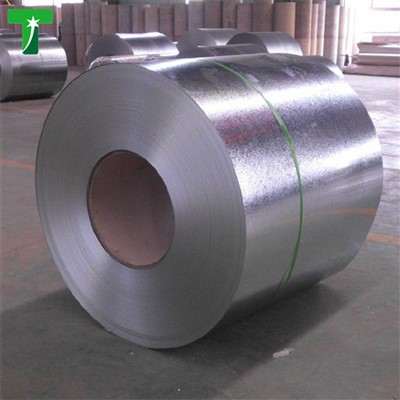
Hey there! I'm a supplier of GI Steel Coil, and today I wanna chat about how to test the coating adhesion of GI Steel Coil. It's super important because good coating adhesion means the coil will last longer and perform better. So, let's dive right in!
Why Coating Adhesion Matters
Before we get into the testing methods, let's talk about why coating adhesion is such a big deal. GI Steel Coil, or Galvanized Iron Steel Coil, has a zinc coating that protects the steel from rust and corrosion. If the coating doesn't adhere well to the steel, it can start to peel or flake off. Once that happens, the steel is exposed to the elements, and rust can set in pretty quickly. That's bad news for anyone using the coil in construction, manufacturing, or any other application.
Visual Inspection
The first and easiest way to check the coating adhesion is through a visual inspection. You don't need any fancy equipment for this one. Just take a good look at the coil. Look for any signs of peeling, cracking, or blistering on the surface of the coating. If you see any of these issues, it's a clear indication that the coating adhesion might be poor.
But visual inspection has its limits. Sometimes, the problems might not be visible to the naked eye. That's when you need to use more advanced testing methods.
Tape Test
The tape test is a simple and widely used method for testing coating adhesion. Here's how it works:
- First, you need to clean the surface of the GI Steel Coil. Make sure there's no dirt, oil, or other contaminants on the area you're going to test.
- Then, cut a piece of adhesive tape. A standard masking tape or a tape specifically designed for adhesion testing will work.
- Press the tape firmly onto the surface of the coating. Make sure there are no air bubbles between the tape and the coating.
- After that, quickly pull the tape off at a 180-degree angle. Do it in one smooth motion.
- Examine the tape. If there are any bits of the coating stuck to the tape, it means the coating adhesion is not good. The more coating that comes off, the worse the adhesion.
The tape test gives you a quick and easy way to get an idea of the coating adhesion. However, it's not a very precise method. The results can be affected by factors like the type of tape used, the pressure applied when pressing the tape, and the speed at which the tape is pulled off.
Cross-Cut Test
The cross-cut test is a more accurate way to test coating adhesion. It's a bit more involved than the tape test, but it provides more detailed information.
- Start by cleaning the surface of the GI Steel Coil, just like in the tape test.
- Use a sharp blade, like a utility knife, to make a series of parallel cuts in the coating. The cuts should be about 1 mm apart and should go through the coating to the steel substrate.
- Then, make another set of parallel cuts perpendicular to the first set, creating a grid pattern.
- Apply a piece of adhesive tape over the grid. Press it firmly onto the surface, making sure it adheres well to the coating.
- Pull the tape off quickly at a 180-degree angle, just like in the tape test.
- Examine the grid. You can use a scale to rate the adhesion. For example, a rating of 0 means no coating has come off, while a rating of 5 means almost all of the coating has come off.
The cross-cut test is more reliable than the tape test because it creates a controlled area for testing. It allows you to see how well the coating adheres to the steel at different points on the surface.
Pull-Off Test
The pull-off test is the most accurate method for testing coating adhesion, but it also requires specialized equipment.
- First, you need to prepare the surface of the GI Steel Coil. Clean it thoroughly and make sure it's dry.
- Attach a dolly, which is a small metal disc, to the surface of the coating using an adhesive. The dolly should be centered on the area you want to test.
- Let the adhesive dry according to the manufacturer's instructions.
- Once the adhesive is dry, attach the pull-off tester to the dolly. The pull-off tester applies a gradually increasing force to the dolly until the coating separates from the steel.
- The tester measures the force required to pull the coating off. This force is called the pull-off strength, and it gives you a quantitative measure of the coating adhesion.
The pull-off test provides the most accurate information about the coating adhesion. It's often used in situations where high-quality coating adhesion is critical, such as in the aerospace or automotive industries.
Factors Affecting Coating Adhesion
There are several factors that can affect the coating adhesion of GI Steel Coil. Understanding these factors can help you ensure good adhesion during the manufacturing process.
- Surface Preparation: If the surface of the steel is not properly cleaned and prepared before the coating is applied, the adhesion will be poor. Any dirt, oil, rust, or other contaminants on the surface can prevent the coating from bonding to the steel.
- Coating Thickness: The thickness of the coating can also affect adhesion. If the coating is too thick, it may be more likely to crack or peel. On the other hand, if the coating is too thin, it may not provide enough protection.
- Curing Conditions: The conditions under which the coating is cured can have a big impact on adhesion. If the curing temperature is too high or too low, or if the curing time is too short or too long, the coating may not adhere properly.
- Environmental Conditions: The environment in which the GI Steel Coil is stored and used can also affect the coating adhesion. For example, exposure to high humidity, extreme temperatures, or chemicals can cause the coating to deteriorate over time.
Conclusion
Testing the coating adhesion of GI Steel Coil is essential to ensure its quality and performance. There are several methods available, from simple visual inspections to more advanced pull-off tests. Each method has its own advantages and limitations, and the choice of method depends on the specific requirements of the application.


As a GI Steel Coil supplier, I'm committed to providing high-quality products with excellent coating adhesion. If you're in the market for GI Steel Coil, Medium-Thick Steel Plate, or S275 Medium Plate For Construction, I'd love to talk to you. Whether you have questions about coating adhesion testing or need help choosing the right product for your project, feel free to reach out. We can discuss your needs and find the best solution for you.
References
- ASTM D3359 - Standard Test Methods for Measuring Adhesion by Tape Test
- ISO 2409 - Paints and varnishes -- Cross-cut test
- ASTM D4541 - Standard Test Method for Pull-Off Strength of Coatings Using Portable Adhesion Testers