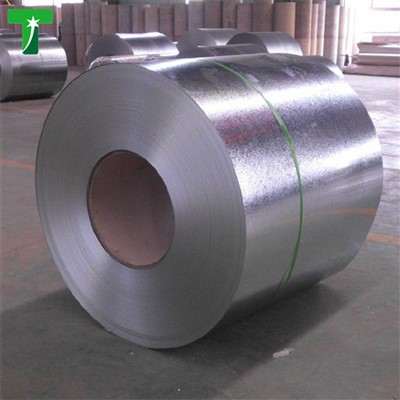
Hey there! As a supplier of low carbon steel sheets, I've seen a lot of folks scratching their heads over how to bend these sheets properly. So, I thought I'd share some tips and tricks that I've picked up over the years.
Why Low Carbon Steel Sheets?
First off, let's talk about why low carbon steel sheets are so popular. Low carbon steel, as the name suggests, has a relatively low carbon content. This makes it more malleable and ductile compared to high - carbon steels. It's easier to form, weld, and yes, bend. You can find low carbon steel sheets in a wide range of applications, from automotive parts to household appliances.
One of the great things about low carbon steel sheets is their affordability. They offer a good balance between cost and performance, which is why they're a go - to choice for many manufacturers and DIY enthusiasts.


Tools You'll Need
Before you start bending low carbon steel sheets, you need to have the right tools on hand. Here are some essentials:
- Bending Brake: This is a must - have tool for bending steel sheets. It allows you to make precise bends at specific angles. There are different types of bending brakes available, from manual ones for small - scale projects to hydraulic ones for industrial use.
- Shears: You'll need shears to cut the steel sheet to the right size before bending. There are hand - held shears for small cuts and power shears for larger sheets.
- Measuring Tools: A tape measure, square, and protractor are essential for measuring and marking the sheet accurately. This ensures that your bends are in the right place and at the correct angle.
- Safety Gear: Don't forget safety! Wear safety glasses to protect your eyes from flying debris, gloves to protect your hands from sharp edges, and ear protection if you're using power tools.
Preparing the Steel Sheet
Once you have your tools ready, it's time to prepare the steel sheet. Start by measuring and marking the sheet where you want to make the bends. Use a straightedge and a marker to create clear, accurate lines. Make sure your measurements are precise, as even a small error can lead to a poorly bent sheet.
Next, cut the sheet to the appropriate size using your shears. Be careful when cutting, as the edges of the steel sheet can be very sharp. After cutting, you may want to deburr the edges to remove any rough spots or burrs. This will make the bending process smoother and reduce the risk of the sheet getting damaged.
Bending Techniques
Now, let's get into the actual bending process. There are a few different techniques you can use, depending on the type of bend you want to make and the tools you have available.
V - Bending
V - bending is one of the most common methods for bending steel sheets. It involves placing the sheet in a bending brake and using a punch to force the sheet into a V - shaped die. The angle of the V - die determines the angle of the bend.
To do a V - bend, first, set up your bending brake with the appropriate V - die. Place the marked sheet in the brake, aligning the mark with the center of the die. Then, slowly lower the punch onto the sheet until the desired bend angle is achieved. Make sure to apply even pressure to avoid uneven bends.
Air Bending
Air bending is another popular technique. Instead of using a die that fully conforms to the bend angle, air bending uses a punch to press the sheet into a shallow V - shaped die. The bend angle is determined by the depth of the punch penetration.
This technique is more flexible than V - bending because you can achieve different bend angles with the same die. However, it requires more skill and experience to control the bend angle accurately.
Roll Bending
Roll bending is used to create curved bends in steel sheets. It involves passing the sheet through a set of rollers that gradually bend the sheet into a curve. This technique is commonly used for making cylindrical or conical shapes.
There are different types of roll bending machines available, from three - roll to four - roll machines. The number of rollers affects the quality and precision of the bend.
Factors Affecting Bending
Several factors can affect the bending process and the quality of the bend. Here are some important ones to keep in mind:
- Thickness of the Sheet: Thicker sheets are more difficult to bend than thinner ones. You may need to use more force and a different bending technique for thicker sheets.
- Type of Low Carbon Steel: Not all low carbon steels are the same. Some may have different mechanical properties, such as hardness and ductility, which can affect the bending process. For example, S275JR Steel Plate has specific properties that may require different bending parameters compared to other low carbon steels.
- Bend Radius: The bend radius is the inside radius of the bend. A smaller bend radius requires more force and can cause the sheet to crack or wrinkle. Make sure to choose an appropriate bend radius based on the thickness of the sheet and the type of steel.
Troubleshooting
Even with the best preparation and technique, you may encounter some problems when bending low carbon steel sheets. Here are some common issues and how to fix them:
- Cracking: If the sheet cracks during bending, it could be due to a too - small bend radius, improper tooling, or the steel having poor ductility. Try increasing the bend radius or using a different bending technique.
- Uneven Bends: Uneven bends can be caused by uneven pressure during bending or inaccurate marking. Make sure you're applying even pressure and double - check your measurements.
- Wrinkling: Wrinkling can occur when the sheet is compressed too much during bending. Try using a larger bend radius or adjusting the pressure on the bending tool.
Finishing Touches
After bending the steel sheet, you may want to give it a finishing touch. If you're using Hot Dip Galvanized Steel Plate, the galvanized coating may need to be touched up at the bent areas to prevent rusting. You can use a galvanizing paint or a cold - galvanizing compound for this.
If you want a smooth, polished finish, you can sand the bent edges to remove any rough spots. You can also apply a protective coating, such as a powder coating or a clear lacquer, to enhance the appearance and durability of the sheet.
Conclusion
Bending low carbon steel sheets may seem daunting at first, but with the right tools, techniques, and a little practice, you can achieve great results. Whether you're a professional manufacturer or a DIY enthusiast, these tips should help you bend low carbon steel sheets like a pro.
If you're in the market for high - quality low carbon steel sheets, we've got you covered. Check out our Low Carbon Steel Plate options. We offer a wide range of thicknesses, sizes, and finishes to meet your specific needs. If you have any questions or want to discuss your project, feel free to reach out. We're here to help you with all your low carbon steel sheet needs.
References
- ASM Handbook Volume 14A: Metalworking: Bulk Forming
- The Fabricator's Handbook: A Guide to Sheet Metal Fabrication