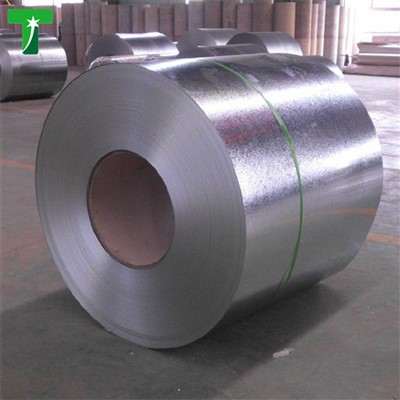
Bending CR Coil Sheet without cracking is a crucial skill in various industries, especially when dealing with metal fabrication. As a supplier of CR Coil Sheet, I understand the challenges and requirements that come with this process. In this blog, I'll share some effective strategies and techniques to help you bend CR Coil Sheet successfully without any cracks.


Understanding CR Coil Sheet
Before diving into the bending process, it's essential to have a clear understanding of CR Coil Sheet. CR Coil Sheet, or Cold Rolled Coil Sheet, is a type of steel sheet that has been processed through a cold rolling mill. This process gives the sheet a smooth surface finish, precise thickness, and improved mechanical properties compared to hot-rolled sheets. CR Coil Sheet is widely used in automotive, construction, appliances, and other industries due to its high strength and formability.
Factors Affecting Cracking during Bending
Several factors can contribute to cracking when bending CR Coil Sheet. Understanding these factors is the first step in preventing cracks and ensuring a successful bending process.
- Material Properties: The chemical composition and mechanical properties of the CR Coil Sheet play a significant role in its bendability. Sheets with higher carbon content or impurities may be more prone to cracking. Additionally, the hardness and ductility of the material can affect how it responds to bending forces.
- Bend Radius: The bend radius is the distance from the center of the bend to the inside edge of the sheet. A smaller bend radius requires more deformation of the material, increasing the risk of cracking. It's important to choose an appropriate bend radius based on the thickness and properties of the CR Coil Sheet.
- Bending Method: The method used to bend the CR Coil Sheet can also impact the likelihood of cracking. Different bending techniques, such as air bending, bottom bending, and coining, apply different amounts of force and deformation to the material. Choosing the right bending method for your specific application is crucial.
- Tooling: The quality and condition of the bending tools can affect the bending process. Dull or damaged tools can cause uneven stress distribution on the sheet, leading to cracks. It's important to use sharp, properly maintained tools and ensure they are compatible with the CR Coil Sheet.
Techniques for Bending CR Coil Sheet without Cracking
Now that we understand the factors that can cause cracking, let's explore some techniques to bend CR Coil Sheet without cracks.
- Pre-Bending Preparation: Before bending the CR Coil Sheet, it's important to prepare the material properly. This includes cleaning the sheet to remove any dirt, oil, or debris that could affect the bending process. You may also want to anneal the sheet to improve its ductility and reduce the risk of cracking. Annealing involves heating the sheet to a specific temperature and then cooling it slowly.
- Choose the Right Bend Radius: As mentioned earlier, the bend radius is a critical factor in preventing cracking. When selecting a bend radius, consider the thickness and properties of the CR Coil Sheet. A general rule of thumb is to use a bend radius that is at least three times the thickness of the sheet. However, this may vary depending on the specific material and application.
- Use the Right Bending Method: The choice of bending method depends on several factors, including the desired bend angle, the thickness of the sheet, and the available equipment. Air bending is a common method that uses a punch and die to create a bend by applying pressure to the sheet. This method is suitable for most applications and allows for some flexibility in the bend angle. Bottom bending, on the other hand, uses a die with a specific shape to create a precise bend angle. This method is more accurate but may require more force and can increase the risk of cracking. Coining is a high-pressure bending method that creates a very precise bend with a sharp radius. This method is typically used for applications where a tight bend radius is required.
- Control the Bending Speed and Force: The speed and force at which the CR Coil Sheet is bent can also affect the likelihood of cracking. Bending too quickly or applying too much force can cause the material to crack. It's important to control the bending speed and force to ensure a smooth, gradual bend. You may need to adjust the speed and force based on the thickness and properties of the sheet.
- Support the Sheet Properly: Proper support of the CR Coil Sheet during the bending process is essential to prevent cracking. Make sure the sheet is securely clamped or held in place to prevent it from shifting or moving during bending. You may also want to use a back gauge or other support devices to ensure the sheet is bent at the correct angle and position.
Additional Tips for Bending CR Coil Sheet
In addition to the techniques mentioned above, here are some additional tips to help you bend CR Coil Sheet without cracking:
- Test the Material: Before bending a large quantity of CR Coil Sheet, it's a good idea to test a small sample to ensure the bending process is working properly. This will allow you to make any necessary adjustments to the bend radius, bending method, or other parameters before starting the full production run.
- Inspect the Sheet Regularly: During the bending process, it's important to inspect the CR Coil Sheet regularly for any signs of cracking or other defects. If you notice any cracks or defects, stop the bending process immediately and make the necessary adjustments.
- Use Lubrication: Lubrication can help reduce friction and prevent cracking when bending CR Coil Sheet. You can use a lubricant such as oil or wax to apply a thin layer to the surface of the sheet before bending. This will help the sheet slide more easily over the bending tools and reduce the risk of cracking.
- Work with a Professional: If you're new to bending CR Coil Sheet or have a complex bending project, it may be a good idea to work with a professional metal fabricator. A professional fabricator has the experience and expertise to bend CR Coil Sheet without cracking and can provide you with valuable advice and guidance.
Conclusion
Bending CR Coil Sheet without cracking requires a combination of proper preparation, the right bending techniques, and careful attention to detail. By understanding the factors that can cause cracking and following the techniques and tips outlined in this blog, you can successfully bend CR Coil Sheet for your specific application. As a supplier of CR Coil Sheet, I'm committed to providing high-quality products and helping my customers achieve the best results. If you have any questions or need further assistance with bending CR Coil Sheet, please don't hesitate to contact me. I'm here to help you with your metal fabrication needs and ensure your projects are a success.
References
- ASM Handbook Volume 14A: Metalworking: Bulk Forming. ASM International.
- Manufacturing Processes for Engineering Materials. Serope Kalpakjian and Steven Schmid.