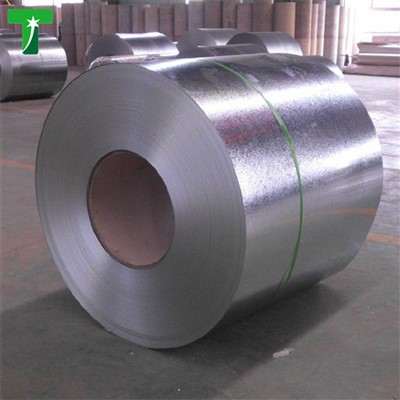
Hey there! As a wear-resistant plate supplier, I've seen firsthand how crucial it is to understand the factors that affect the performance of these plates. One of the key factors that often gets overlooked is roughness. In this blog post, I'll dive into how roughness impacts the wear resistance of wear-resistant plates and why it matters for your applications.
What is Roughness?
Before we get into how roughness affects wear resistance, let's first define what roughness is. Roughness refers to the irregularities on the surface of a material. These irregularities can be microscopic or visible to the naked eye and can vary in size, shape, and distribution. In the context of wear-resistant plates, roughness can be caused by a variety of factors, including the manufacturing process, surface finishing, and wear and tear over time.
How Roughness Affects Wear Resistance
Now that we know what roughness is, let's explore how it affects the wear resistance of wear-resistant plates. There are several ways in which roughness can impact wear resistance, and I'll break them down for you below.
Friction and Abrasion
One of the primary ways in which roughness affects wear resistance is through friction and abrasion. When two surfaces come into contact with each other, the roughness of the surfaces can cause friction, which can lead to wear and tear. The rougher the surface, the more friction there will be, and the faster the wear-resistant plate will wear down.
For example, imagine you're using a wear-resistant plate to line the inside of a chute that transports gravel. If the surface of the plate is rough, the gravel will rub against the plate, causing friction and abrasion. Over time, this friction and abrasion will wear down the plate, reducing its effectiveness and lifespan. On the other hand, if the surface of the plate is smooth, there will be less friction and abrasion, and the plate will last longer.
Particle Entrapment
Another way in which roughness can affect wear resistance is through particle entrapment. When a wear-resistant plate is exposed to abrasive particles, such as sand or gravel, the roughness of the surface can cause the particles to become trapped in the irregularities. These trapped particles can then act as abrasives, further wearing down the plate.
For instance, let's say you're using a wear-resistant plate in a mining application where the plate is exposed to a lot of dust and debris. If the surface of the plate is rough, the dust and debris will get trapped in the irregularities, creating a abrasive environment that can quickly wear down the plate. However, if the surface of the plate is smooth, the particles will be less likely to become trapped, and the plate will be more resistant to wear.
Corrosion
In addition to friction and abrasion, roughness can also affect the corrosion resistance of wear-resistant plates. When a wear-resistant plate is exposed to a corrosive environment, such as saltwater or chemicals, the roughness of the surface can create areas where corrosion can occur more easily. These areas, known as crevices, can trap moisture and chemicals, leading to corrosion and rust.
For example, if you're using a wear-resistant plate in a marine application where the plate is exposed to saltwater, the roughness of the surface can create crevices where saltwater can accumulate. Over time, this saltwater can cause corrosion and rust, weakening the plate and reducing its wear resistance. On the other hand, if the surface of the plate is smooth, there will be fewer crevices, and the plate will be more resistant to corrosion.
Choosing the Right Roughness for Your Application
Now that we understand how roughness affects wear resistance, the next question is: how do you choose the right roughness for your application? The answer depends on several factors, including the type of application, the environment in which the plate will be used, and the type of abrasive particles the plate will be exposed to.
Smooth Surfaces
In general, smooth surfaces are better for applications where friction and abrasion are the primary concerns. Smooth surfaces reduce friction, which can help to extend the lifespan of the wear-resistant plate. They also make it less likely for particles to become trapped, reducing the risk of particle entrapment and further wear.


For example, if you're using a wear-resistant plate in a conveyor system where the plate is in constant contact with moving parts, a smooth surface would be ideal. The smooth surface would reduce friction, minimizing wear and tear on the plate and the moving parts.
Rough Surfaces
On the other hand, rough surfaces can be beneficial in some applications. For example, in applications where the plate needs to grip or hold onto objects, a rough surface can provide better traction. Rough surfaces can also be useful in applications where the plate is exposed to high-impact forces, as the irregularities on the surface can help to absorb and distribute the energy of the impact.
For instance, if you're using a wear-resistant plate in a crusher or a hammer mill, a rough surface would be more suitable. The rough surface would provide better grip on the materials being crushed or milled, and it would also help to absorb the high-impact forces generated by the equipment.
Our Wear-Resistant Plate Offerings
At our company, we offer a wide range of wear-resistant plates to meet the needs of different applications. Our plates are available in various grades and thicknesses, and we can also provide custom surface finishes to achieve the desired roughness.
One of our popular products is the SUMIHARD-K340 Wear-resistant Plates. These plates are known for their high hardness and excellent wear resistance, making them suitable for a variety of applications, including mining, construction, and agriculture.
Another great option is the M450 wear-resistant steel plate. This plate offers a good balance of hardness and toughness, making it ideal for applications where the plate is exposed to both abrasion and impact.
We also offer the BISPLATE450 Carbon Steel Plate, which is a high-strength, wear-resistant plate that is commonly used in heavy-duty applications, such as earthmoving and mining equipment.
Conclusion
In conclusion, roughness plays a significant role in the wear resistance of wear-resistant plates. By understanding how roughness affects wear resistance and choosing the right roughness for your application, you can ensure that your wear-resistant plates perform at their best and last as long as possible.
If you're in the market for wear-resistant plates or have any questions about our products, don't hesitate to reach out. We're here to help you find the right solution for your needs and can provide you with more information about our products and services. Contact us today to start the conversation and let's work together to find the perfect wear-resistant plates for your application.
References
- Smith, J. (2020). Wear Resistance of Metals and Alloys. Elsevier.
- Jones, A. (2019). Surface Roughness and Its Effects on Material Properties. Springer.
- Brown, R. (2018). Tribology: Friction, Wear, and Lubrication. CRC Press.