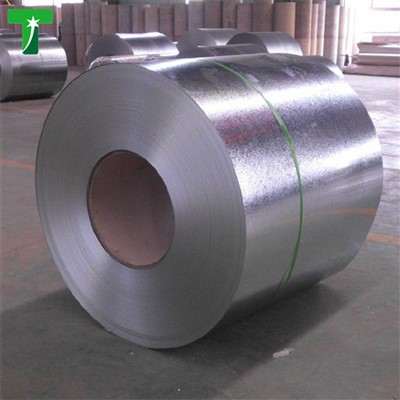
Hey there! I'm a supplier of carbon steel coils, and today I wanna chat about what makes up these super - useful materials. Carbon steel coils are everywhere in our lives, from construction sites to manufacturing plants. So, let's dig into their composition.
At the heart of carbon steel coils is, well, carbon and iron. Iron is the base metal, and carbon is the key alloying element that gives carbon steel its unique properties. The amount of carbon in carbon steel can vary, and this variation is what classifies different types of carbon steel.
Low - Carbon Steel Coils
Low - carbon steel, also known as mild steel, typically contains up to 0.3% carbon. This type of carbon steel is super common because it's easy to work with. It's malleable and ductile, which means it can be bent, shaped, and welded without too much hassle.
The low carbon content makes it less hard and strong compared to high - carbon steel, but it has excellent formability. That's why you'll often see low - carbon steel coils used in things like automotive body parts, pipes, and wire products. For example, when a car manufacturer is making the outer shell of a car, they'll use low - carbon steel because it can be stamped into the right shape easily.
If you're interested in a type of low - carbon steel coil for building, check out ASTM A36 Carbon Steel Coil For Building. ASTM A36 is a widely used standard for low - carbon steel, and it's great for structural applications in buildings.
Medium - Carbon Steel Coils
Medium - carbon steel contains between 0.3% and 0.6% carbon. With this increased carbon content, medium - carbon steel is stronger and harder than low - carbon steel. It also has better wear resistance.
This type of steel is often heat - treated to further enhance its properties. Heat treatment can make it even stronger and more durable. You'll find medium - carbon steel coils in things like axles, gears, and crankshafts. These parts need to be able to withstand a lot of stress and wear, and medium - carbon steel fits the bill.
High - Carbon Steel Coils
High - carbon steel has a carbon content of 0.6% to 2.0%. This is the toughest and hardest type of carbon steel. It's extremely strong and has excellent wear resistance. However, it's also less ductile and more brittle compared to low - and medium - carbon steel.
High - carbon steel coils are commonly used in applications where hardness and strength are crucial. For example, cutting tools like saw blades and knives are often made from high - carbon steel. The high carbon content allows the blades to stay sharp for a long time.
Other Elements in Carbon Steel Coils
Apart from carbon and iron, carbon steel coils can also contain other elements in small amounts. These elements are added to improve specific properties of the steel.
- Manganese: Manganese is usually present in carbon steel in amounts ranging from 0.25% to 1.65%. It helps to deoxidize the steel during the manufacturing process. It also improves the strength and toughness of the steel. Manganese can make the steel more resistant to wear and tear.
- Silicon: Silicon is another common element in carbon steel. It's typically present in amounts of up to 0.6%. Silicon helps to improve the strength and hardness of the steel. It also acts as a deoxidizer, just like manganese.
- Sulfur and Phosphorus: These are considered impurities in carbon steel, but they're usually present in very small amounts. Sulfur can make the steel more brittle, especially when it's being welded. Phosphorus can also reduce the ductility of the steel. So, steel manufacturers try to keep the levels of sulfur and phosphorus as low as possible.
Manufacturing Process of Carbon Steel Coils
The manufacturing of carbon steel coils starts with melting iron ore in a blast furnace. The molten iron is then refined to remove impurities and adjust the carbon content. After that, other alloying elements like manganese and silicon are added to get the desired properties.
The molten steel is then cast into slabs or billets. These are then heated and passed through a series of rolling mills to reduce their thickness and form them into coils. There are two main types of rolling processes: hot rolling and cold rolling.
- Hot Rolling: In hot rolling, the steel is heated to a very high temperature (usually above 1000°C) and then rolled. Hot - rolled steel coils are more common because the process is faster and more cost - effective. The high temperature makes the steel more malleable, so it can be easily shaped. Check out ASTM Hot Rolled Carbon Steel Coil for an example of hot - rolled carbon steel coils.
- Cold Rolling: Cold rolling is done at room temperature. The steel is first hot - rolled and then cold - rolled to improve its surface finish and dimensional accuracy. Cold - rolled steel coils are smoother and have tighter tolerances compared to hot - rolled coils. However, the process is more expensive.
Applications of Carbon Steel Coils
Carbon steel coils have a wide range of applications due to their different properties.
- Construction: As mentioned earlier, low - carbon steel coils like ASTM A36 are used in building structures. They provide the necessary strength and support for buildings. You can also find carbon steel coils in bridges, towers, and other large - scale construction projects.
- Automotive Industry: Carbon steel coils are used in almost every part of a car. From the body panels to the engine components, carbon steel plays a vital role. The different types of carbon steel are chosen based on the specific requirements of each part.
- Manufacturing: In the manufacturing industry, carbon steel coils are used to make a variety of products. This includes appliances, machinery, and tools. For example, the frames of refrigerators and washing machines are often made from carbon steel.
Why Choose Our Carbon Steel Coils
As a carbon steel coil supplier, we take pride in offering high - quality products. We have a wide range of carbon steel coils to meet different customer needs. Whether you need low - carbon steel for easy formability or high - carbon steel for maximum strength, we've got you covered.
Our manufacturing process is strictly controlled to ensure the quality of our products. We use the latest technology and equipment to produce carbon steel coils with consistent properties. And we offer competitive prices without compromising on quality.
If you're in the market for carbon steel coils, don't hesitate to reach out. We can provide you with detailed product information and help you choose the right type of carbon steel coil for your application. Whether you're a small - scale manufacturer or a large construction company, we're here to serve you.


So, if you're interested in Hot Rolled Steel in Coils or any other type of carbon steel coil, just contact us for a purchase negotiation. We're looking forward to working with you!
References
- ASM Handbook Committee. (2004). ASM Handbook Volume 1: Properties and Selection: Irons, Steels, and High - Performance Alloys. ASM International.
- Degarmo, E. P., Black, J. T., & Kohser, R. A. (2003). Materials and Processes in Manufacturing. John Wiley & Sons.