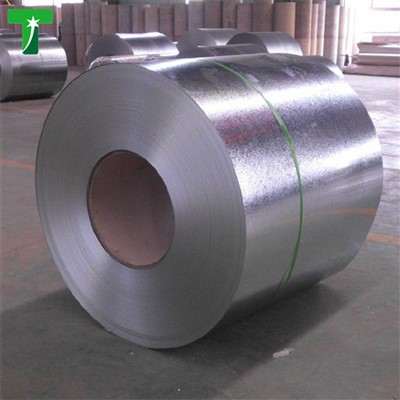
As a seasoned supplier of color coated coils, I've witnessed firsthand the diverse applications and growing demand for these versatile products. One of the most frequently asked questions by our clients is about the fire - resistance properties of color coated coils. In this blog, I'll delve into this crucial aspect, providing in - depth knowledge to help you make informed decisions for your projects.


Understanding Color Coated Coils
Color coated coils are steel coils that have been coated with a layer of paint or other protective materials. They are widely used in various industries, including construction, automotive, and home appliances, due to their aesthetic appeal, corrosion resistance, and durability. Our company offers a wide range of color coated coils, such as RAL Color Coated Coil For Construction Industry, CGCC Color Coated Coil, and Color Coated Steel Coil Plate, each designed to meet different customer needs.
Factors Affecting Fire - Resistance
The fire - resistance of color coated coils is influenced by several factors:
Base Material
The base material of the color coated coil plays a fundamental role. Most color coated coils use steel as the base, which is inherently non - combustible. Steel has a high melting point, typically around 1370 - 1510°C. This means that in a fire situation, the steel base can maintain its structural integrity for a certain period, providing some level of fire protection. However, the performance of the steel can be affected by factors such as its thickness and composition. Thicker steel generally offers better fire - resistance as it takes longer for the heat to penetrate through the material.
Coating Material
The coating on the color coated coil can also impact its fire - resistance. There are different types of coatings available, and their fire - performance varies. Some coatings are formulated with fire - retardant additives. These additives work by releasing non - flammable gases when exposed to high temperatures, which can dilute the oxygen around the coil and slow down the combustion process. For example, intumescent coatings are a popular choice for enhancing fire - resistance. When heated, these coatings expand to form a thick, insulating char layer that can protect the underlying steel from the heat of the fire.
Surface Treatment
Surface treatments can improve the overall performance of the color coated coil, including its fire - resistance. Treatments such as galvanizing can provide an additional layer of protection. Galvanized steel has a zinc coating, which not only enhances corrosion resistance but also has some fire - retarding properties. Zinc has a relatively low melting point compared to steel, and when heated, it forms a zinc oxide layer that can act as a barrier to heat transfer.
Fire - Resistance Testing Standards
To ensure the safety and performance of color coated coils in fire situations, various testing standards have been established. One of the most well - known standards is the ASTM E84 test, which measures the surface burning characteristics of building materials. This test determines the flame spread index (FSI) and the smoke - developed index (SDI) of the material. A lower FSI indicates better fire - resistance, as it means the flame spreads more slowly across the surface of the material.
Another important standard is the UL 723, which is similar to the ASTM E84 and is widely used in North America. In Europe, the EN 13501 - 1 standard classifies building products according to their reaction to fire, ranging from class A1 (non - combustible) to class F (highly combustible).
Applications and Fire - Resistance Requirements
The fire - resistance requirements for color coated coils vary depending on their applications:
Construction Industry
In the construction industry, color coated coils are commonly used for roofing, wall cladding, and partition walls. For these applications, high fire - resistance is often required to meet building codes and ensure the safety of the occupants. For example, in commercial buildings, color coated coils used for exterior wall cladding may need to meet strict fire - safety standards to prevent the spread of fire from one building to another. Our RAL Color Coated Coil For Construction Industry is designed to meet these high - end requirements, providing both aesthetic appeal and reliable fire - protection.
Automotive Industry
In the automotive industry, color coated coils are used for various components, such as body panels. While the fire - resistance requirements in this industry are not as stringent as in construction, they still need to meet certain safety standards. The coatings on automotive color coated coils are designed to resist ignition and slow down the spread of fire in case of an accident.
Home Appliances
Color coated coils used in home appliances also need to have a certain level of fire - resistance. Appliances such as refrigerators, ovens, and washing machines are in close proximity to potential ignition sources, so it's important that the materials used are safe. Our Color Coated Steel Coil Plate can be customized to meet the specific fire - safety requirements of home appliance manufacturers.
Enhancing Fire - Resistance
If you need to enhance the fire - resistance of color coated coils for your project, there are several strategies you can consider:
Selecting the Right Coating
As mentioned earlier, choosing a coating with fire - retardant additives or an intumescent coating can significantly improve the fire - resistance of the coil. Work closely with our technical team to select the most suitable coating for your specific needs.
Increasing Base Material Thickness
Thicker steel bases generally offer better fire - protection. If your project has high fire - safety requirements, consider using color coated coils with a thicker base material.
Combining with Fire - Retardant Insulation
In construction applications, combining color coated coils with fire - retardant insulation materials can provide an extra layer of fire - protection. The insulation can reduce the heat transfer through the coil and help maintain the temperature of the structure within a safe range.
Conclusion
The fire - resistance properties of color coated coils are determined by a combination of factors, including the base material, coating material, and surface treatment. By understanding these factors and the relevant testing standards, you can make informed decisions when selecting color coated coils for your projects.
At our company, we are committed to providing high - quality color coated coils that meet the highest safety standards. Our RAL Color Coated Coil For Construction Industry, CGCC Color Coated Coil, and Color Coated Steel Coil Plate are all carefully engineered to offer excellent fire - resistance along with other superior properties.
If you are interested in learning more about our color coated coils or have any questions regarding their fire - resistance, we encourage you to reach out to us for a detailed discussion. We are here to help you find the perfect solution for your project and ensure its safety and success.
References
- ASTM International. ASTM E84 - 22 Standard Test Method for Surface Burning Characteristics of Building Materials.
- Underwriters Laboratories. UL 723 Standard for Test for Surface Burning Characteristics of Building Materials.
- European Committee for Standardization. EN 13501 - 1:2020 Fire classification of construction products and building elements - Part 1: Classification using data from reaction to fire tests.