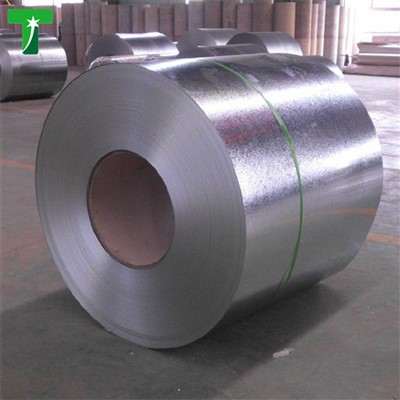
Hey there! I'm a supplier of GI Steel Coils, and I know firsthand how crucial it is to transport these coils safely. In this blog post, I'll share some tips and tricks on how to ensure your GI Steel Coils arrive at their destination in one piece.
Understanding GI Steel Coils
Before we dive into the transportation process, let's take a quick look at what GI Steel Coils are. GI stands for Galvanized Iron, which means the steel has been coated with a layer of zinc to protect it from corrosion. These coils are widely used in various industries, including construction, automotive, and manufacturing.


The unique properties of GI Steel Coils, such as their strength and durability, also make them a bit tricky to transport. They're heavy, bulky, and can be easily damaged if not handled properly. So, let's get into the details of how to transport them safely.
Pre - Transport Preparation
Inspection
First things first, you need to inspect the GI Steel Coils thoroughly before transportation. Check for any signs of damage, such as dents, scratches, or rust. If you find any issues, it's best to address them before loading the coils onto the transport vehicle. This can save you a lot of headaches later on, especially if the damage is significant enough to affect the quality of the product.
Packaging
Proper packaging is key to protecting the GI Steel Coils during transportation. Wrap the coils with protective materials, such as plastic sheets or paper. This helps to prevent scratches and damage from external elements. You can also use wooden pallets or cradles to support the coils and keep them stable. Make sure the packaging is secure and can withstand the rigors of transportation.
Labeling
Don't forget to label the coils clearly. Include important information such as the weight, size, and handling instructions. This will help the transport team handle the coils correctly and ensure they're stored in the right conditions. Labels can also make it easier to identify the coils during transit and at the destination.
Choosing the Right Transport Vehicle
Type of Vehicle
The type of transport vehicle you choose depends on the size and quantity of the GI Steel Coils. For small - scale shipments, a flatbed truck might be sufficient. However, for larger quantities, you might need a specialized trailer or a container. Make sure the vehicle has a strong and stable structure to support the weight of the coils.
Vehicle Condition
Before loading the coils, inspect the transport vehicle. Check the tires, brakes, and suspension to ensure they're in good working condition. A well - maintained vehicle reduces the risk of accidents during transportation. Also, make sure the vehicle is clean and free from any debris that could damage the coils.
Loading the Coils
Loading Equipment
Use appropriate loading equipment, such as cranes or forklifts, to load the GI Steel Coils onto the transport vehicle. Make sure the equipment is in good working condition and operated by trained personnel. Improper loading can lead to the coils shifting during transit, which can cause damage.
Stacking and Securing
When stacking the coils, make sure they're arranged in a stable manner. Avoid stacking them too high, as this can increase the risk of toppling. Use straps, chains, or ropes to secure the coils to the transport vehicle. This prevents them from moving during transportation and reduces the risk of damage.
During Transport
Route Planning
Plan the transport route carefully. Avoid routes with rough roads, sharp turns, or low - clearance bridges. A smooth and well - maintained route reduces the risk of damage to the coils. You can use mapping tools or GPS to find the best route.
Monitoring
If possible, monitor the transport of the GI Steel Coils. You can use tracking devices to keep an eye on the location and condition of the coils. This allows you to take immediate action if there are any issues during transit.
Unloading and Storage at Destination
Unloading
Use the same care when unloading the coils as you did when loading them. Follow the same safety procedures and use appropriate equipment. Make sure the unloading area is clean, flat, and stable.
Storage
Once the coils are unloaded, store them in a dry and well - ventilated area. Avoid storing them in areas prone to flooding or high humidity, as this can cause rusting. You can also stack the coils on wooden pallets to keep them off the ground.
Related Products
If you're interested in other steel products, we also offer C55E Galvanized Medium Carbon Cteel Plate, Medium Thick Plate S355 Carbon Steel Plate, and S420 Medium Plate. These products have their own unique properties and uses, and we can ensure their safe transportation as well.
Conclusion
Transporting GI Steel Coils safely requires careful planning, proper packaging, and the right equipment. By following these steps, you can minimize the risk of damage and ensure that your coils arrive at their destination in top - notch condition.
If you're in the market for GI Steel Coils or any of our other steel products, I'd love to have a chat with you. Feel free to reach out and we can discuss your requirements and get you the best deal possible. Let's work together to make your steel procurement a success!
References
- "Steel Coil Handling and Storage Best Practices" - Industry Guide
- "Transportation Safety Guidelines for Heavy Metals" - Government Publication