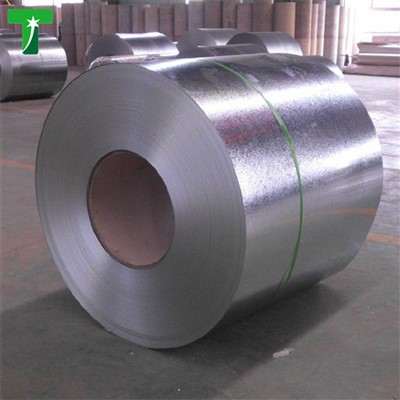
Yo, what's up everyone! I'm a supplier of carbon steel coils, and I've been in this game for quite a while. One question I get a lot from my customers is how to improve the hardness of carbon steel coils. Well, I'm here to share some tips and tricks that I've learned over the years.
First off, let's talk about what carbon steel is. Carbon steel is basically steel that contains carbon as the main alloying element. The amount of carbon in the steel can vary, and this affects its properties, including hardness. Generally speaking, the more carbon in the steel, the harder it will be. But it's not just about the carbon content; there are other factors at play too.
Heat Treatment
One of the most common ways to improve the hardness of carbon steel coils is through heat treatment. Heat treatment involves heating the steel to a specific temperature and then cooling it at a controlled rate. There are different types of heat treatment processes, but two of the most popular ones are quenching and tempering.
Quenching
Quenching is a process where the steel is heated to a high temperature (usually above the critical temperature) and then rapidly cooled by immersing it in a quenching medium, such as water, oil, or polymer. This rapid cooling causes the steel to transform into a hard and brittle phase called martensite. The faster the cooling rate, the harder the steel will be. However, quenching can also cause the steel to become very brittle, which can lead to cracking and other problems. That's why quenching is often followed by tempering.
Tempering
Tempering is a process where the quenched steel is reheated to a lower temperature (usually between 150°C and 650°C) and then cooled slowly. This process helps to relieve the internal stresses in the steel and reduce its brittleness while still maintaining a high level of hardness. The exact tempering temperature and time depend on the desired properties of the steel. For example, if you want a very hard and wear-resistant steel, you might choose a lower tempering temperature. On the other hand, if you need a steel that is more ductile and tough, you might opt for a higher tempering temperature.
Alloying Elements
Another way to improve the hardness of carbon steel coils is by adding alloying elements. Alloying elements are elements that are added to the steel in small amounts to improve its properties. Some common alloying elements used in carbon steel include chromium, nickel, molybdenum, and vanadium.
Chromium
Chromium is a popular alloying element because it helps to increase the hardenability of the steel. Hardenability is the ability of the steel to form martensite during quenching. By adding chromium to the steel, you can make it easier to achieve a high level of hardness throughout the entire cross-section of the coil. Chromium also helps to improve the corrosion resistance of the steel, which is an added bonus.
Nickel
Nickel is another alloying element that can improve the hardness and toughness of carbon steel. It helps to increase the strength and ductility of the steel, making it more resistant to cracking and other forms of damage. Nickel also has a positive effect on the corrosion resistance of the steel, especially in environments where there is a lot of moisture or chemicals.
Molybdenum
Molybdenum is often added to carbon steel to improve its hardenability and strength. It helps to refine the grain structure of the steel, which makes it more resistant to wear and deformation. Molybdenum also has a beneficial effect on the high-temperature properties of the steel, making it suitable for applications where the steel will be exposed to high temperatures.
Vanadium
Vanadium is a powerful alloying element that can significantly increase the hardness and strength of carbon steel. It forms small carbide particles in the steel, which act as barriers to the movement of dislocations. This makes the steel more resistant to deformation and wear. Vanadium also helps to improve the toughness and ductility of the steel, making it a good choice for applications where the steel will be subjected to high-stress conditions.
Cold Working
Cold working is a process where the steel is deformed at room temperature. This can be done through processes such as rolling, drawing, and forging. Cold working can increase the hardness of the steel by introducing dislocations into the crystal structure. These dislocations interact with each other and make it more difficult for the steel to deform. As a result, the steel becomes harder and stronger.


However, cold working also has its limitations. If the steel is cold worked too much, it can become very brittle and lose its ductility. That's why it's important to control the amount of cold work that is done to the steel. In some cases, cold working is followed by a heat treatment process to relieve the internal stresses and improve the ductility of the steel.
Surface Treatment
Surface treatment is another option for improving the hardness of carbon steel coils. There are different types of surface treatment processes, but two of the most common ones are carburizing and nitriding.
Carburizing
Carburizing is a process where the surface of the steel is enriched with carbon by heating it in a carbon-rich environment. This can be done using a gas, liquid, or solid carburizing medium. The carbon diffuses into the surface of the steel, forming a hard and wear-resistant layer. Carburizing is often used to improve the surface hardness of carbon steel parts that are subjected to high levels of wear, such as gears and bearings.
Nitriding
Nitriding is a process where the surface of the steel is enriched with nitrogen by heating it in a nitrogen-rich environment. This can be done using a gas or plasma nitriding process. The nitrogen diffuses into the surface of the steel, forming a hard and wear-resistant layer. Nitriding is often used to improve the surface hardness and corrosion resistance of carbon steel parts that are exposed to harsh environments.
Conclusion
So, there you have it! These are some of the ways to improve the hardness of carbon steel coils. As a carbon steel coil supplier, I've seen firsthand the benefits of these processes. Whether you're looking for a hard and wear-resistant steel for industrial applications or a tough and ductile steel for construction projects, there's a solution out there for you.
If you're interested in learning more about our Hot Rolled Steel in Coils, SS400 Hot Rolled Carbon Steel Coil For Building, or Cold Rolled Carbon Steel Coil, or if you have any questions about improving the hardness of carbon steel coils, feel free to reach out to me. I'd be happy to help you find the right solution for your needs.
References
- ASM Handbook, Volume 4: Heat Treating
- Metals Handbook, Volume 1: Properties and Selection: Irons, Steels, and High-Performance Alloys
- Steel Metallurgy for the Non-Metallurgist, Second Edition by John D. Verhoeven