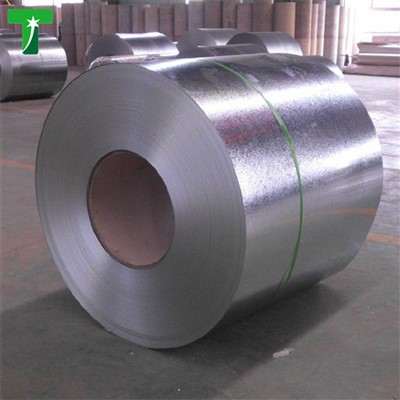
When it comes to construction, decoration, or manufacturing, color coated coils play a crucial role. As a color coated coil supplier, I understand the challenges that customers face when choosing the right product. The following guide will help you make an informed decision.
1. Understanding the Basics of Color Coated Coils
Color coated coils are steel or aluminum coils that have been pre - painted with a protective and decorative coating. They are widely used in various industries due to their durability, aesthetic appeal, and cost - effectiveness. There are different types of color coated coils available in the market, such as Prepainted Galvanized Steel Coil, Color Coated Steel Coil Plate, and CGCC Color Coated Coil.
Prepainted Galvanized Steel Coil is a popular choice. It has a zinc coating on the steel substrate, which provides excellent corrosion resistance. The pre - painted layer adds an extra level of protection and allows for a wide range of color options. This type of coil is commonly used in roofing, wall cladding, and automotive parts.
Color Coated Steel Coil Plate is another option. It offers a flat and smooth surface, which is ideal for applications where a high - quality finish is required. It can be used in furniture manufacturing, electrical enclosures, and building facades.
CGCC Color Coated Coil is known for its good formability and paint adhesion. It is often used in the construction of industrial buildings, cold storage facilities, and agricultural structures.
2. Consider the Application
The first step in choosing the right color coated coil is to consider the application. Different applications have different requirements in terms of durability, weather resistance, and aesthetic appeal.
2.1 Outdoor Applications
For outdoor applications such as roofing and wall cladding, you need a color coated coil that can withstand harsh weather conditions. UV resistance is crucial to prevent the color from fading over time. A coil with a high - quality paint system and a thick zinc coating will provide better protection against corrosion caused by rain, snow, and humidity. For example, in coastal areas where the air contains a high level of salt, a more corrosion - resistant coil is necessary.


2.2 Indoor Applications
Indoor applications like furniture manufacturing and interior decoration may focus more on the aesthetic aspect. You can choose a wider range of colors and finishes to match the design concept. However, you still need to ensure that the coil has good scratch resistance and chemical resistance, especially in areas where it may come into contact with cleaning agents or other substances.
3. Evaluate the Substrate
The substrate of a color coated coil is the base material on which the paint is applied. The most common substrates are steel and aluminum.
3.1 Steel Substrate
Steel is a strong and durable material. It provides good structural support and is suitable for heavy - duty applications. There are different types of steel substrates, such as cold - rolled steel and hot - dipped galvanized steel. Cold - rolled steel has a smooth surface and is often used for applications where a high - quality finish is required. Hot - dipped galvanized steel has a zinc coating that provides excellent corrosion resistance, making it a popular choice for outdoor applications.
3.2 Aluminum Substrate
Aluminum is lightweight and has good corrosion resistance. It is non - magnetic and has a high thermal conductivity. Aluminum color coated coils are often used in applications where weight is a concern, such as in the aerospace and automotive industries. They are also suitable for applications in areas with high humidity or near the sea.
4. Examine the Paint System
The paint system is one of the most important factors in determining the quality of a color coated coil. A good paint system should provide excellent adhesion, flexibility, and durability.
4.1 Types of Paint
There are different types of paints used in color coated coils, such as polyester (PE), silicon - modified polyester (SMP), and polyvinylidene fluoride (PVDF).
Polyester paint is the most common type. It is cost - effective and offers good general - purpose performance. It has a wide range of color options and is suitable for indoor and mild outdoor applications.
Silicon - modified polyester paint has better weather resistance and UV resistance than polyester paint. It is often used in outdoor applications where a longer service life is required.
Polyvinylidene fluoride paint is the highest - quality paint system. It provides excellent weather resistance, color retention, and chemical resistance. It is the preferred choice for high - end applications such as building facades in large cities and luxury residential buildings.
4.2 Paint Thickness
The thickness of the paint layer also affects the performance of the color coated coil. A thicker paint layer generally provides better protection and durability. However, it may also increase the cost. You need to balance the cost and performance requirements when choosing the paint thickness.
5. Assess the Color and Finish
The color and finish of the color coated coil are important for both aesthetic and functional reasons.
5.1 Color Selection
The color you choose should match the overall design concept of the project. You can select from a wide range of standard colors, or you can request a custom - made color. When choosing a color, consider the psychological impact of color. For example, light colors can make a space appear larger and brighter, while dark colors can create a more sophisticated and elegant look.
5.2 Finish Options
There are different finish options available, such as matte, gloss, and textured finishes. A matte finish provides a soft and non - reflective appearance, which is suitable for applications where a low - key look is desired. A gloss finish offers a shiny and high - end look, which is often used in applications where a more glamorous appearance is required. A textured finish can add a unique visual effect and also provide better slip resistance in some cases.
6. Check the Quality and Certification
When choosing a color coated coil, it is important to check the quality and certification. A reliable supplier should be able to provide test reports and certifications to prove the quality of the product.
Look for certifications such as ISO 9001 (Quality Management System), ISO 14001 (Environmental Management System), and ASTM standards. These certifications ensure that the color coated coil meets international quality and environmental requirements.
You can also ask for samples from the supplier. Examine the samples carefully to check the color consistency, paint adhesion, and surface quality. A good sample should have a smooth surface, no visible defects, and a uniform color.
7. Consider the Cost
Cost is always a factor in any purchasing decision. However, it is important not to compromise on quality for the sake of saving money. A high - quality color coated coil may have a higher upfront cost, but it will provide better performance and a longer service life, which can save you money in the long run.
Compare the prices of different suppliers, but also consider the value for money. Look at the quality, warranty, and after - sales service offered by the supplier. A supplier who offers a good warranty and prompt after - sales service is more likely to stand behind their product.
8. Choose a Reliable Supplier
As a color coated coil supplier, I know that choosing a reliable supplier is as important as choosing the right product. A good supplier should have a good reputation in the market, a wide range of product options, and a professional technical team.
A reliable supplier can provide you with accurate information about the products, help you choose the right coil for your application, and offer customized solutions if needed. They should also be able to deliver the products on time and provide good after - sales service.
In conclusion, choosing the right color coated coil requires careful consideration of the application, substrate, paint system, color and finish, quality, cost, and the supplier. By following these guidelines, you can make an informed decision and select a color coated coil that meets your requirements.
If you are interested in purchasing color coated coils, I encourage you to contact us for more information. We are committed to providing high - quality products and excellent service. Our team of experts can help you choose the right coil for your specific needs and guide you through the purchasing process. Let's start a discussion and find the perfect color coated coil solution for your project.
References
- ASTM International. (20XX). Standards for color coated steel products.
- ISO. (20XX). ISO 9001: Quality management systems - Requirements.
- ISO. (20XX). ISO 14001: Environmental management systems - Requirements with guidance for use.