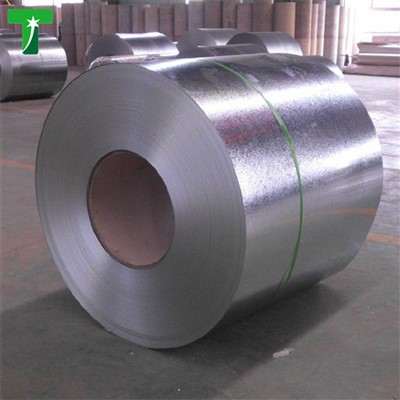
Hey there! As a supplier of Galvanized Sheet Coil, I often get asked about how to calculate the strength of these coils. It's a crucial question, especially for those in construction, manufacturing, and other industries that rely on the durability and reliability of these materials. So, let's dive right in and break down the process.
Understanding Galvanized Sheet Coil
First off, let's talk a bit about what Galvanized Sheet Coil is. Galvanized sheet coils are steel sheets that have been coated with a layer of zinc to protect them from corrosion. This process, known as galvanization, significantly extends the lifespan of the steel, making it a popular choice for various applications. You can find out more about Galvanized Sheet Coil on our website.
Factors Affecting the Strength of Galvanized Sheet Coil
The strength of a Galvanized Sheet Coil isn't determined by a single factor. Instead, it's a combination of several elements. Here are the key factors you need to consider:
1. Base Steel Composition
The type of steel used as the base material plays a huge role in determining the strength of the coil. Different steel grades have different chemical compositions, which directly affect their mechanical properties. For instance, high carbon steels are generally stronger than low carbon steels. If you're interested in high carbon steel options, check out our TC105 High Carbon Steel Coil For Sale.
2. Thickness of the Sheet
The thickness of the Galvanized Sheet Coil is another critical factor. Thicker sheets tend to be stronger and more resistant to bending and deformation. However, it's important to note that increasing the thickness also increases the weight and cost of the material. So, you need to find the right balance based on your specific application.
3. Zinc Coating Thickness
The zinc coating not only protects the steel from corrosion but also has an impact on the overall strength of the coil. A thicker zinc coating can provide better protection and may also contribute to the coil's resistance to certain types of stress. However, excessive coating thickness can sometimes lead to brittleness, so it's important to find the optimal thickness for your needs.
4. Manufacturing Process
The way the Galvanized Sheet Coil is manufactured can also affect its strength. Processes like cold rolling can improve the mechanical properties of the steel, making it stronger and more uniform. Additionally, the quality control measures implemented during manufacturing can ensure that the coil meets the required strength standards.
Calculating the Strength of Galvanized Sheet Coil
Now that we've covered the factors that affect the strength, let's talk about how to calculate it. There are several methods you can use, depending on the specific type of strength you're interested in. Here are some common calculations:
1. Tensile Strength
Tensile strength is the maximum amount of tensile (pulling) stress that a material can withstand before breaking. To calculate the tensile strength of a Galvanized Sheet Coil, you'll need to perform a tensile test. Here's a simplified formula:
Tensile Strength (MPa) = Maximum Load (N) / Cross - sectional Area (mm²)
In a tensile test, a sample of the coil is placed in a testing machine, and a gradually increasing load is applied until the sample breaks. The maximum load recorded during the test is then divided by the cross - sectional area of the sample to calculate the tensile strength.
2. Yield Strength
Yield strength is the stress at which a material begins to deform plastically (permanently). It's an important property because it indicates the point at which the material will no longer return to its original shape after being stressed. To calculate the yield strength, you can use a similar approach to the tensile strength calculation, but you'll need to determine the load at which the material starts to exhibit plastic deformation.
3. Bend Strength
Bend strength is the ability of a material to resist bending forces. To calculate the bend strength of a Galvanized Sheet Coil, you can perform a bend test. In a bend test, a sample of the coil is bent to a specific angle, and the force required to bend it is measured. The bend strength can then be calculated based on the dimensions of the sample and the applied force.
Importance of Accurate Strength Calculation
Accurately calculating the strength of Galvanized Sheet Coil is crucial for several reasons. Firstly, it ensures that the material will perform as expected in its intended application. For example, if you're using the coil in a structural application, you need to make sure it has enough strength to support the loads it will be subjected to.
Secondly, accurate strength calculation can help you select the right type and grade of Galvanized Sheet Coil for your project. By understanding the strength requirements of your application, you can choose a coil that meets those requirements without over - or under - specifying the material.
Finally, accurate strength calculation is important for quality control. As a supplier, we use these calculations to ensure that our products meet the highest standards of quality and performance.
Conclusion
Calculating the strength of Galvanized Sheet Coil is a complex but essential process. By considering factors like base steel composition, thickness, zinc coating thickness, and manufacturing process, and using appropriate calculation methods, you can accurately determine the strength of the coil.
If you're in the market for high - quality Galvanized Sheet Coil or GI Sheet Coil, we're here to help. We offer a wide range of products that are carefully tested to ensure they meet the highest strength and quality standards. Whether you're working on a small DIY project or a large - scale industrial application, we can provide you with the right solution.
If you have any questions or would like to discuss your specific requirements, feel free to reach out. We're always happy to help you find the perfect Galvanized Sheet Coil for your needs.


References
- "Metallurgy for Engineers" by George E. Dieter
- "Materials Science and Engineering: An Introduction" by William D. Callister, Jr. and David G. Rethwisch