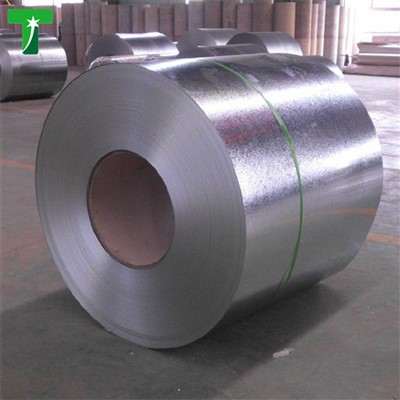
As a trusted supplier of color coated steel coils, I'm excited to take you through the fascinating process of how these versatile products are produced. Color coated steel coils are widely used in various industries, including construction, automotive, and home appliances, due to their durability, aesthetic appeal, and corrosion resistance. In this blog post, I'll walk you through the step-by-step process of manufacturing color coated steel coils, from the raw materials to the final product.
Step 1: Raw Material Preparation
The production of color coated steel coils begins with the selection of high-quality raw materials. The base material is typically hot-dip galvanized or galvannealed steel coil, which provides excellent corrosion resistance. The steel coils are carefully inspected to ensure they meet the required specifications in terms of thickness, width, and surface quality.
Once the steel coils are selected, they are cleaned to remove any dirt, oil, or other contaminants. This is usually done through a combination of chemical cleaning and mechanical scrubbing. The cleaning process is crucial as it ensures proper adhesion of the coating to the steel surface.
Step 2: Surface Treatment
After cleaning, the steel coils undergo a surface treatment process to enhance the adhesion of the coating. One common method is the application of a phosphate conversion coating. This coating forms a thin layer on the steel surface, which improves the bonding between the steel and the subsequent paint layers.

Another surface treatment option is the use of a chromate-free pretreatment. This environmentally friendly alternative provides similar adhesion properties without the use of harmful chromates. The choice of surface treatment depends on various factors, including the end-use application and environmental regulations.

Step 3: Coating Application
The next step in the production process is the application of the coating. There are two main types of coating systems used for color coated steel coils: solvent-based and water-based. Solvent-based coatings offer excellent durability and chemical resistance, while water-based coatings are more environmentally friendly.
The coating is applied to the steel coil using a roll coating process. In this process, the coil passes through a series of rollers that apply the coating evenly to the surface. The thickness of the coating can be precisely controlled to meet the specific requirements of the customer.
Typically, two or more layers of coating are applied to the steel coil. The first layer, known as the primer, provides additional corrosion protection and improves the adhesion of the topcoat. The topcoat is the visible layer that gives the color coated steel coil its desired color and finish.

Step 4: Curing
After the coating is applied, the steel coil is passed through an oven to cure the coating. The curing process involves heating the coil to a specific temperature for a set period of time. This causes the coating to dry and harden, forming a durable and protective layer on the steel surface.
The curing temperature and time depend on the type of coating used and the thickness of the coating. Proper curing is essential to ensure the coating's adhesion, hardness, and chemical resistance.
Step 5: Quality Control
Throughout the production process, strict quality control measures are in place to ensure the final product meets the highest standards. The color coated steel coils are inspected for various quality parameters, including coating thickness, color consistency, adhesion, and surface finish.
Non-destructive testing methods, such as ultrasonic testing and magnetic particle testing, are used to detect any internal defects in the steel coil. In addition, samples are taken from each batch of coils for laboratory testing to verify the coating's performance properties.
Step 6: Coiling and Packaging
Once the color coated steel coils have passed the quality control checks, they are coiled and packaged for shipment. The coils are carefully wound onto a mandrel to ensure a tight and uniform coil. The packaging is designed to protect the coils during transportation and storage.
Common packaging materials include plastic wrap, paper, and steel strapping. The coils are also labeled with important information, such as the product specifications, batch number, and manufacturing date.
Types of Color Coated Steel Coils
As a supplier, we offer a wide range of color coated steel coils to meet the diverse needs of our customers. Some of the popular types of color coated steel coils include: - Ppgi Coil Prepainted Gi Steel Coil: These coils are made from hot-dip galvanized steel and are pre-painted with a protective coating. They are widely used in construction, roofing, and wall cladding applications. - CGCC Color Coated Coil: CGCC coils are known for their excellent corrosion resistance and high-quality finish. They are commonly used in the automotive, home appliance, and furniture industries. - Color Coated Steel Coil Plate Galvanized Steel Coil: These coils are made from galvanized steel and are available in a variety of colors and finishes. They are suitable for a wide range of applications, including building facades, signage, and decorative elements.
Conclusion
The production of color coated steel coils is a complex and precise process that involves multiple steps and strict quality control measures. From the selection of high-quality raw materials to the final coiling and packaging, every stage of the production process is carefully monitored to ensure the final product meets the highest standards of quality and performance.
As a leading supplier of color coated steel coils, we are committed to providing our customers with the best products and services. Whether you are in the construction, automotive, or home appliance industry, we have the right color coated steel coil solution for your needs.
If you are interested in purchasing color coated steel coils, please feel free to contact us for more information and to discuss your specific requirements. We look forward to working with you and helping you find the perfect solution for your project.
References
- "Steel Coil Coating Technology" by John Doe
- "Color Coated Steel Products: Properties and Applications" by Jane Smith
- Industry standards and guidelines for color coated steel coil production