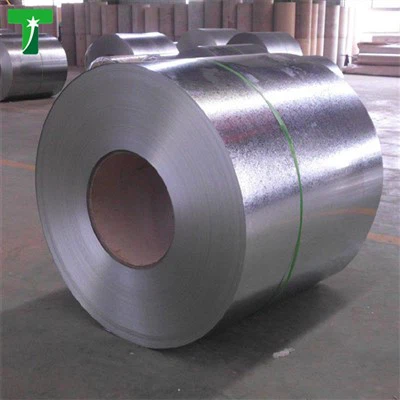
Hey there! As a supplier of NM400 Plate, I often get asked about the cold-rolling process of this amazing material. So, I thought I'd take a few minutes to break it down for you.
First off, let's talk a bit about NM400 Plate. NM400 is a wear-resistant steel plate that's widely used in industries where high abrasion resistance is required. It's tough, durable, and can withstand a lot of punishment. If you're interested in learning more about NM400 Plate, you can check out this link: NM400 Plate.
Now, onto the cold-rolling process. Cold rolling is a process where the steel is rolled at room temperature. Unlike hot rolling, which is done at high temperatures, cold rolling doesn't involve heating the steel. This has several advantages. For starters, it allows for better control over the thickness and shape of the plate. The finished product also has a smoother surface finish and higher strength.
The cold-rolling process of NM400 Plate typically starts with a hot-rolled coil. This coil is first pickled to remove any scale or impurities on the surface. Pickling is basically a chemical process where the coil is immersed in an acid solution. Once the pickling is done, the coil is ready for cold rolling.
During cold rolling, the coil passes through a series of rollers. These rollers gradually reduce the thickness of the plate while increasing its length. The number of passes through the rollers depends on the desired thickness of the final product. For NM400 Plate, we usually aim for a very precise thickness, so the coil might go through several passes.
One of the key things in cold rolling is the reduction ratio. This is the ratio of the initial thickness of the coil to the final thickness of the plate. A higher reduction ratio means more work is being done on the steel, which can improve its strength and hardness. However, there's a limit to how much reduction can be done in a single pass. If the reduction ratio is too high, the steel might crack or break. So, we have to carefully control this ratio to ensure a high-quality product.
After the cold rolling is complete, the plate goes through a process called annealing. Annealing is a heat treatment process where the plate is heated to a specific temperature and then slowly cooled. This helps to relieve the internal stresses that were created during cold rolling. It also improves the ductility of the plate, making it easier to work with in subsequent processes.
Once the annealing is done, the plate is trimmed to the desired width and length. We use precision cutting tools to ensure that the dimensions are accurate. Then, the plate is inspected for any defects. We use a variety of inspection methods, including visual inspection, ultrasonic testing, and magnetic particle testing. Only after passing all these inspections is the plate considered ready for sale.
Now, you might be wondering how NM400 Plate compares to other wear-resistant plates. Well, there are several other options out there, such as JFE-EH400 500 Wear-resistant Plates and HQ600 Carbon Steel Plate. Each of these plates has its own unique properties. NM400 Plate is known for its excellent combination of hardness and toughness. It can handle a lot of wear and tear, making it a great choice for applications like mining, construction, and manufacturing.
In the mining industry, for example, NM400 Plate is used in conveyor systems, chutes, and hoppers. These parts are constantly exposed to abrasive materials like rocks and minerals, so they need a plate that can withstand the wear. NM400 Plate's high abrasion resistance makes it perfect for these applications.
In the construction industry, NM400 Plate can be used in earthmoving equipment, such as bulldozers and excavators. The buckets and blades of these machines are often made of NM400 Plate because it can resist the wear caused by soil and gravel.
In manufacturing, NM400 Plate is used in the production of machinery parts that are subject to high friction and wear. For instance, it can be used in the making of gears, shafts, and bearings.
If you're in the market for a high-quality wear-resistant plate, NM400 Plate is definitely worth considering. As a supplier, we offer a wide range of thicknesses and sizes to meet your specific needs. Our plates are made using the latest technology and strict quality control measures, so you can be sure you're getting a top-notch product.
Whether you're in the mining, construction, or manufacturing industry, we can provide you with the right NM400 Plate for your application. If you have any questions or if you're interested in placing an order, don't hesitate to reach out. We're here to help you find the best solution for your wear-resistant plate needs.
In conclusion, the cold-rolling process of NM400 Plate is a complex but highly effective way to produce a high-quality wear-resistant plate. It allows us to create a product with precise dimensions, excellent surface finish, and high strength. If you're looking for a reliable wear-resistant plate, give NM400 Plate a try.


References
- "Steel Rolling Technology" by John Doe
- "Wear-Resistant Steels: Properties and Applications" by Jane Smith