


Hey there! As a supplier of Steel Alloy Plate, I've seen firsthand how these bad boys are revolutionizing the aerospace industry. In this blog, I'm gonna break down the various applications of steel alloy plates in aerospace. So, let's dive right in!
Structural Components
One of the primary uses of steel alloy plates in the aerospace industry is for making structural components. Planes need to be strong and durable to withstand the extreme conditions of flight, and steel alloy plates fit the bill perfectly. They're used in the construction of the fuselage, wings, and landing gear.
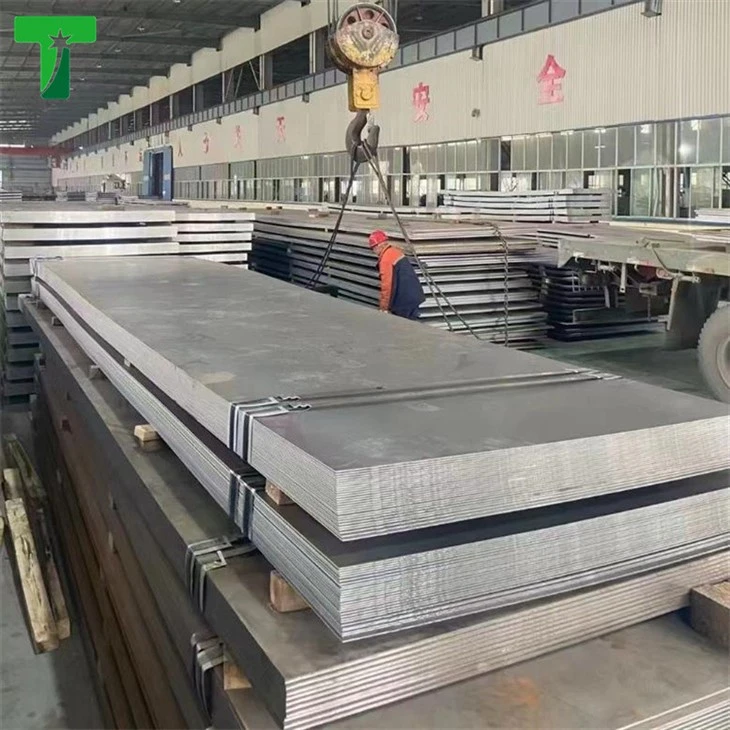
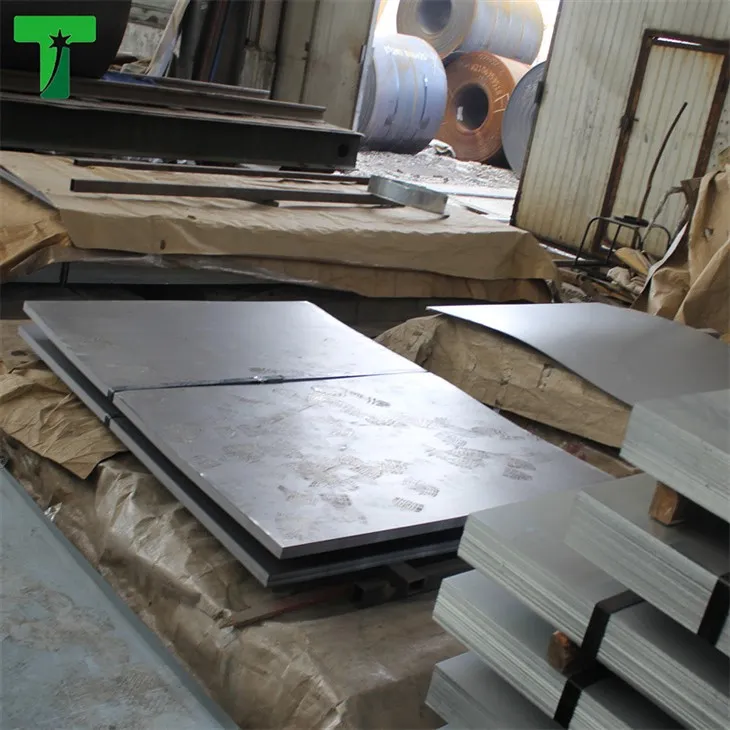
The fuselage is like the backbone of an aircraft. It houses the passengers, cargo, and all the essential systems. Steel alloy plates provide the necessary strength and rigidity to keep the fuselage intact during takeoff, flight, and landing. For example, the A572 Gr.50 Alloy Steel Plate is a popular choice for fuselage construction. It has high yield strength and good weldability, making it ideal for this critical application.
The wings are another crucial part of an aircraft. They generate lift, allowing the plane to stay in the air. Steel alloy plates are used to reinforce the wings and ensure they can handle the aerodynamic forces. The A533 - Gr.A.I Alloy Steel Plate is often used in wing construction. It has excellent toughness and impact resistance, which is essential for withstanding the stress of flight.
The landing gear is what allows the plane to take off and land safely. It has to support the entire weight of the aircraft during landing, so it needs to be incredibly strong. Steel alloy plates are used to make the landing gear components, such as the struts and wheels. These plates can handle the high loads and provide the necessary durability for repeated landings.
Engine Components
The engines are the heart of an aircraft, and steel alloy plates play a vital role in their construction. The engine components need to withstand high temperatures, pressures, and vibrations. Steel alloy plates are used to make parts like the turbine blades, compressor casings, and exhaust systems.
Turbine blades are one of the most critical engine components. They spin at high speeds and are exposed to extremely high temperatures. Steel alloy plates with high heat resistance and strength are used to make these blades. The alloys are carefully designed to maintain their properties under these harsh conditions.
Compressor casings are used to house the compressor, which compresses the air before it enters the combustion chamber. Steel alloy plates provide the necessary strength and rigidity to contain the high-pressure air. They also need to be corrosion-resistant to prevent damage from the air and fuel.
The exhaust system is responsible for expelling the hot gases from the engine. Steel alloy plates are used to make the exhaust pipes and mufflers. These plates need to be able to withstand the high temperatures and corrosive gases.
Instrumentation and Control Systems
In addition to the structural and engine components, steel alloy plates are also used in the instrumentation and control systems of an aircraft. These systems are responsible for monitoring and controlling the various functions of the plane.
Steel alloy plates are used to make the enclosures for the electronic components. These enclosures provide protection from electromagnetic interference, vibrations, and physical damage. They also need to be lightweight to minimize the overall weight of the aircraft.
The control panels and switches are also made from steel alloy plates. These components need to be durable and reliable to ensure the safe operation of the aircraft. The plates are designed to be easy to machine and form, allowing for the precise manufacturing of these parts.
Advantages of Using Steel Alloy Plates in Aerospace
There are several advantages to using steel alloy plates in the aerospace industry. First of all, they have high strength-to-weight ratios. This means that they can provide the necessary strength while keeping the weight of the aircraft down. A lighter aircraft uses less fuel, which is more cost-effective and environmentally friendly.
Steel alloy plates also have excellent corrosion resistance. The aerospace environment is harsh, with exposure to moisture, salt, and chemicals. The corrosion resistance of these plates ensures that the components last longer and require less maintenance.
Another advantage is their weldability. Steel alloy plates can be easily welded together, allowing for the construction of complex components. This makes the manufacturing process more efficient and cost-effective.
Our Steel Alloy Plate Offerings
As a supplier of Steel Alloy Plate, we offer a wide range of products to meet the needs of the aerospace industry. Our plates are made from high-quality alloys and are manufactured to the highest standards.
We have a team of experts who can help you choose the right steel alloy plate for your specific application. Whether you need a plate for a structural component, an engine part, or an instrumentation system, we can provide you with the best solution.
We also offer custom fabrication services. If you have a specific design or requirement, our team can work with you to create a custom steel alloy plate. We use the latest technology and equipment to ensure the highest quality and precision in our fabrication.
Conclusion
In conclusion, steel alloy plates are essential in the aerospace industry. They are used in a wide range of applications, from structural components to engine parts and instrumentation systems. The advantages of using these plates, such as high strength-to-weight ratios, corrosion resistance, and weldability, make them the ideal choice for aerospace manufacturers.
If you're in the aerospace industry and looking for high-quality steel alloy plates, look no further. We're here to provide you with the best products and services. Contact us today to discuss your requirements and start a procurement discussion. We're confident that we can meet your needs and help you take your aerospace projects to the next level.
References
- "Aerospace Materials Handbook"
- "Steel Alloys in Aerospace Engineering"
- Industry reports and research papers on aerospace materials


