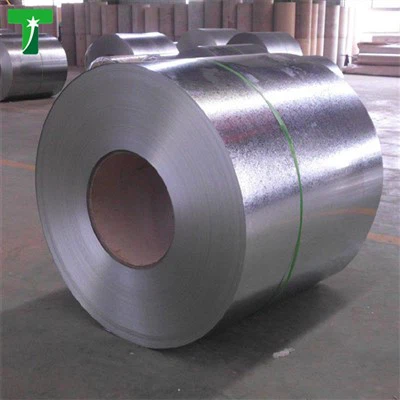
Measuring the coating thickness of GI (Galvanized Iron) sheet coils is a crucial aspect of ensuring the quality and performance of these products. As a trusted GI Sheet Coil supplier, I understand the significance of accurate coating thickness measurement in meeting industry standards and customer expectations. In this blog post, I will share some effective methods for measuring the coating thickness of GI sheet coils, along with their advantages and limitations.
Why Measure Coating Thickness?
The coating on GI sheet coils serves as a protective layer that prevents corrosion and extends the lifespan of the steel. The thickness of this coating directly impacts its effectiveness in providing corrosion resistance. If the coating is too thin, the steel may be vulnerable to rust and other forms of corrosion. On the other hand, an overly thick coating can be wasteful and may also affect the formability and appearance of the sheet. Therefore, measuring the coating thickness is essential to ensure that the GI sheet coils meet the required specifications and perform as expected in various applications.
Common Methods for Measuring Coating Thickness
There are several methods available for measuring the coating thickness of GI sheet coils. Each method has its own advantages and limitations, and the choice of method depends on factors such as the type of coating, the accuracy required, and the available equipment. Here are some of the most commonly used methods:
Magnetic Induction Method
The magnetic induction method is one of the most widely used techniques for measuring the coating thickness of non-magnetic coatings on magnetic substrates, such as zinc coatings on steel. This method works by generating a magnetic field and measuring the change in the magnetic properties of the substrate due to the presence of the coating. The thickness of the coating is then calculated based on the measured change in the magnetic field.
Advantages:
- Non-destructive: The magnetic induction method does not damage the coating or the substrate, making it suitable for in-line inspection and quality control.
- High accuracy: This method can provide accurate measurements with a high degree of repeatability, especially for thin coatings.
- Easy to use: Magnetic induction gauges are relatively simple to operate and can be used by non-technical personnel.
Limitations:
- Limited to non-magnetic coatings on magnetic substrates: The magnetic induction method is only applicable to coatings that are non-magnetic, such as zinc, aluminum, and chrome, on magnetic substrates like steel.
- Surface roughness can affect measurements: The accuracy of the measurements can be affected by the surface roughness of the substrate, especially for thin coatings.
- Calibration required: The magnetic induction gauges need to be calibrated regularly to ensure accurate measurements.
Eddy Current Method
The eddy current method is similar to the magnetic induction method, but it is used for measuring the thickness of non-conductive coatings on conductive substrates, such as paint coatings on aluminum or copper. This method works by generating an alternating magnetic field, which induces eddy currents in the conductive substrate. The presence of the non-conductive coating affects the flow of the eddy currents, and the thickness of the coating is determined by measuring the change in the eddy current properties.
Advantages:
- Non-destructive: Like the magnetic induction method, the eddy current method is non-destructive and can be used for in-line inspection and quality control.
- Suitable for thin coatings: This method is particularly useful for measuring the thickness of thin coatings, such as paint and powder coatings.
- Can measure on curved surfaces: Eddy current gauges can be used to measure the coating thickness on curved surfaces, which is not possible with some other methods.
Limitations:
- Limited to non-conductive coatings on conductive substrates: The eddy current method is only applicable to non-conductive coatings on conductive substrates, such as paint on aluminum or copper.
- Surface conditions can affect measurements: The accuracy of the measurements can be affected by factors such as surface roughness, contamination, and temperature.
- Calibration required: Similar to the magnetic induction method, eddy current gauges need to be calibrated regularly to ensure accurate measurements.
Microscopic Method
The microscopic method involves cutting a cross-section of the coated sample and examining it under a microscope to measure the thickness of the coating. This method provides a direct and accurate measurement of the coating thickness, but it is destructive and requires specialized equipment and skills.
Advantages:
- High accuracy: The microscopic method provides the most accurate measurement of the coating thickness, as it allows for direct visualization of the coating and the substrate.
- Can provide detailed information: This method can also provide information about the coating structure, such as the presence of voids, cracks, or other defects.
Limitations:
- Destructive: The microscopic method requires cutting a cross-section of the coated sample, which destroys the sample and makes it unsuitable for further use.
- Time-consuming: Preparing the sample for microscopic examination can be time-consuming and requires specialized equipment and skills.
- Limited to small samples: This method is only suitable for measuring the coating thickness of small samples, which may not be representative of the entire coil.
X-ray Fluorescence (XRF) Method
The X-ray fluorescence method is a non-destructive technique that can be used to measure the thickness of a wide range of coatings, including metallic and non-metallic coatings. This method works by bombarding the coating with X-rays and measuring the intensity of the fluorescent X-rays emitted by the coating elements. The thickness of the coating is then calculated based on the measured intensity of the fluorescent X-rays.


Advantages:
- Non-destructive: The XRF method does not damage the coating or the substrate, making it suitable for in-line inspection and quality control.
- Can measure multiple elements: This method can simultaneously measure the thickness of multiple coating elements, providing valuable information about the coating composition.
- High accuracy: The XRF method can provide accurate measurements with a high degree of repeatability, especially for thick coatings.
Limitations:
- Expensive equipment: XRF spectrometers are relatively expensive and require specialized training to operate.
- Limited to certain coating materials: The XRF method is most effective for measuring the thickness of metallic coatings, such as zinc, aluminum, and chrome.
- Surface contamination can affect measurements: The accuracy of the measurements can be affected by surface contamination, such as dirt, oil, or rust.
Considerations for Choosing a Measurement Method
When choosing a method for measuring the coating thickness of GI sheet coils, it is important to consider the following factors:
- Type of coating: Different methods are suitable for different types of coatings. For example, the magnetic induction method is suitable for non-magnetic coatings on magnetic substrates, while the eddy current method is suitable for non-conductive coatings on conductive substrates.
- Accuracy required: The accuracy required for the measurement depends on the application of the GI sheet coils. For critical applications, such as in the automotive or aerospace industries, a higher level of accuracy may be required.
- Available equipment: The choice of method also depends on the available equipment. Some methods, such as the microscopic method, require specialized equipment and skills, while others, such as the magnetic induction method, can be performed using relatively simple and inexpensive gauges.
- Cost and time: The cost and time required for the measurement should also be considered. Some methods, such as the XRF method, are more expensive and time-consuming than others, and may not be suitable for large-scale production or in-line inspection.
Importance of Quality Control in Coating Thickness Measurement
Quality control is an essential part of the manufacturing process for GI sheet coils. By regularly measuring the coating thickness and ensuring that it meets the required specifications, manufacturers can ensure the quality and performance of their products. Here are some key aspects of quality control in coating thickness measurement:
- Calibration: Regular calibration of the measuring equipment is essential to ensure accurate and reliable measurements. Calibration should be performed using certified reference standards and in accordance with the manufacturer's instructions.
- Sampling: A representative sample of the GI sheet coils should be selected for measurement to ensure that the results are representative of the entire production batch. The sampling plan should be based on statistical principles and take into account factors such as the size of the batch, the variability of the coating thickness, and the required level of confidence.
- Documentation: All measurements should be documented and recorded for traceability and quality control purposes. The documentation should include information such as the measurement method, the equipment used, the date and time of the measurement, and the results obtained.
- Corrective actions: If the measured coating thickness does not meet the required specifications, corrective actions should be taken immediately to prevent the production of non-conforming products. Corrective actions may include adjusting the coating process parameters, reworking the coated coils, or rejecting the non-conforming products.
Conclusion
Measuring the coating thickness of GI sheet coils is a critical step in ensuring the quality and performance of these products. By choosing the appropriate measurement method and implementing a comprehensive quality control program, manufacturers can ensure that their GI sheet coils meet the required specifications and perform as expected in various applications. As a GI Sheet Coil supplier, we are committed to providing high-quality products that meet the strictest quality standards. If you are interested in purchasing DC03 Cold Rolled Carbon Steel Coil, DX51d Metal Sheets Galvanized Steel Gi Coils, or TC105 High Carbon Steel Coil For Sale, please feel free to contact us for more information and to discuss your specific requirements. We look forward to working with you and providing you with the best possible products and services.
References
- ASTM International. (2021). ASTM D7091 - 19 Standard Practice for Nondestructive Measurement of Dry Film Thickness of Nonmagnetic Coatings Applied to Ferrous Metals and Nonmagnetic, Nonconductive Coatings Applied to Non-Ferrous Metals.
- ISO. (2016). ISO 2178:2016 Non-magnetic coatings on magnetic substrates — Measurement of coating thickness — Magnetic method.
- ASNT. (2019). American Society for Nondestructive Testing. Nondestructive Testing Handbook, Volume 3: Eddy Current Testing.