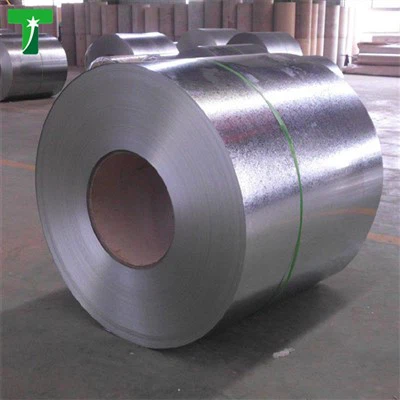
Hey there! I'm a supplier of GI Steel Coil, and today I wanna chat about something super important: the effect of humidity on GI Steel Coil.
First off, let's quickly understand what GI Steel Coil is. GI stands for Galvanized Iron. It's basically steel that's coated with a layer of zinc to protect it from corrosion. This type of steel coil is widely used in many industries, from construction to automotive. You can check out more about it here: GI Steel Coil.
Now, humidity is the amount of water vapor in the air. It might seem like a small thing, but it can have a huge impact on GI Steel Coil.
Corrosion Risk
One of the most significant effects of high humidity on GI Steel Coil is an increased risk of corrosion. When the humidity level in the air is high, there's more water vapor around. This water can condense on the surface of the GI Steel Coil. The zinc coating on the coil is there to protect the steel underneath, but when water is present, a chemical reaction can occur.
The zinc reacts with the water and oxygen in the air to form zinc hydroxide and zinc carbonate. These compounds are not as protective as the original zinc coating. Over time, if the humidity remains high, the zinc coating can start to break down. Once the zinc coating is compromised, the underlying steel is exposed to the elements. And we all know that steel rusts when it comes into contact with water and oxygen. Rust is a big problem because it weakens the structural integrity of the steel. It can make the GI Steel Coil less reliable and reduce its lifespan.
For example, in a coastal area where the humidity is often high due to the proximity to the ocean, GI Steel Coil used in outdoor structures may start to show signs of corrosion faster than in a dry inland area.
Surface Quality
High humidity can also affect the surface quality of GI Steel Coil. When water condenses on the coil, it can leave behind water spots. These water spots are not just an aesthetic issue. They can also indicate that the surface of the coil has been exposed to moisture, which may lead to corrosion in the long run.
Moreover, if the humidity is extremely high and the coil is stored in a poorly ventilated area, mold and mildew can start to grow on the surface. Mold and mildew not only look bad but can also cause further damage to the zinc coating. They can create small pits and scratches on the surface, which can act as entry points for corrosion.
On the other hand, low humidity can also have an impact. In very dry conditions, the zinc coating on the GI Steel Coil can become brittle. This is because the lack of moisture can cause the zinc to lose its flexibility. When the coil is bent or shaped during the manufacturing process, the brittle zinc coating may crack. Once the coating is cracked, the steel underneath is at risk of corrosion.
Storage and Transportation
Humidity plays a crucial role in the storage and transportation of GI Steel Coil. When storing the coils, it's essential to keep them in a dry environment. Warehouses should be well-ventilated to prevent the buildup of humidity. If possible, the humidity level in the storage area should be monitored and controlled.
For instance, using dehumidifiers in the warehouse can help keep the humidity at an optimal level. This can significantly reduce the risk of corrosion and maintain the quality of the GI Steel Coil.
During transportation, the coils are often exposed to different environmental conditions. If the transportation container is not properly sealed, high humidity outside can enter the container. This can lead to the same problems we've discussed earlier, such as corrosion and surface damage.
Impact on Different Applications
The effect of humidity on GI Steel Coil can vary depending on its application.
In the construction industry, GI Steel Coil is used for roofing, wall cladding, and structural components. If the coils are used in a high - humidity environment without proper protection, the roofing may start to leak due to corrosion. The wall cladding may lose its aesthetic appeal and structural integrity. And the structural components may become weaker, posing a safety risk.
In the automotive industry, GI Steel Coil is used to make various parts, such as body panels. High humidity can cause corrosion on these parts, which can affect the appearance and performance of the vehicle. A corroded body panel may not fit properly, and it can also reduce the resale value of the car.
Solutions to Mitigate the Effects
So, what can we do to mitigate the effects of humidity on GI Steel Coil?


First, as I mentioned earlier, proper storage is key. Storing the coils in a dry, well - ventilated area can go a long way in preventing corrosion.
Second, applying a protective coating on top of the zinc coating can provide an extra layer of protection. There are various types of protective coatings available, such as paint or polymer coatings. These coatings can act as a barrier between the coil and the moisture in the air.
Third, during transportation, using sealed containers or wrapping the coils in moisture - resistant materials can help keep the humidity out.
We also offer other related products like C55E Galvanized Medium Carbon Cteel Plate and Medium - Thick Steel Plate, which are also affected by humidity in similar ways, and we have the expertise to handle these issues.
If you're in the market for GI Steel Coil or any of our other products, and you're concerned about the effects of humidity, don't hesitate to reach out. We can provide you with more information on how to store and use our products to minimize the impact of humidity. Whether you're a construction company, an automotive manufacturer, or any other business that needs high - quality steel products, we're here to help. Let's have a chat about your specific requirements and see how we can work together to get you the best - suited GI Steel Coil for your project.
References
- "Corrosion of Metals in Atmospheric Environments" by ASTM International
- "Handbook of Zinc and Zinc Alloys" by ASM International