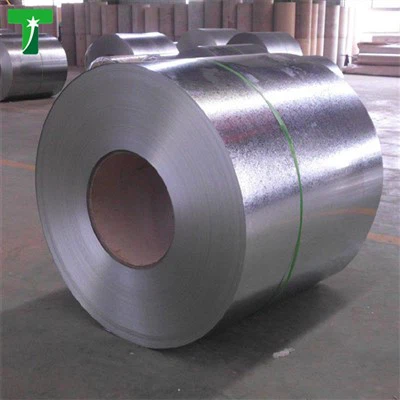
Alloy steel plates are essential materials in the power generation industry, playing a crucial role in ensuring the reliability, efficiency, and safety of power generation equipment. As an alloy steel plate supplier, I have witnessed firsthand the diverse applications of these materials in this dynamic sector. In this blog, I will explore the various applications of alloy steel plates in the power generation industry and highlight their significance.
Boiler Components
Boilers are the heart of many power generation systems, whether in coal - fired, gas - fired, or combined - cycle power plants. Alloy steel plates are extensively used in the construction of boiler components.
Pressure Vessels
The pressure vessels in boilers need to withstand high temperatures and pressures. Alloy steel plates, such as A533 - Gr.A.I Alloy Steel Plate, are ideal for this application. This type of alloy steel has excellent strength and toughness at elevated temperatures, which is crucial for containing the steam and water under high - pressure conditions. The alloying elements in the steel enhance its resistance to corrosion and creep, ensuring the long - term integrity of the pressure vessel.
Boiler Tubes and Headers
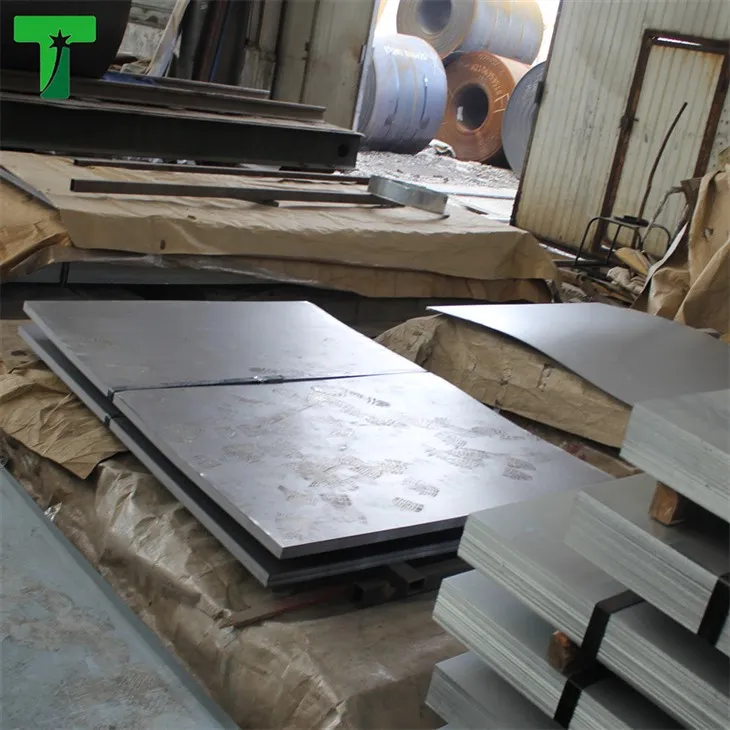
Headers are used to collect and distribute steam or water within the boiler system. Alloy steel plates are fabricated into headers and tubes due to their ability to handle thermal stress. 16Mn Steel Plate is often used in the manufacturing of boiler tubes and headers. It has good weldability and can be formed into the required shapes with relative ease. The alloying elements in 16Mn steel improve its mechanical properties, making it suitable for withstanding the harsh environment inside the boiler.
Turbine Components
Turbines are another key component in power generation, converting the energy of steam or gas into mechanical energy and then into electrical energy.
Turbine Casings
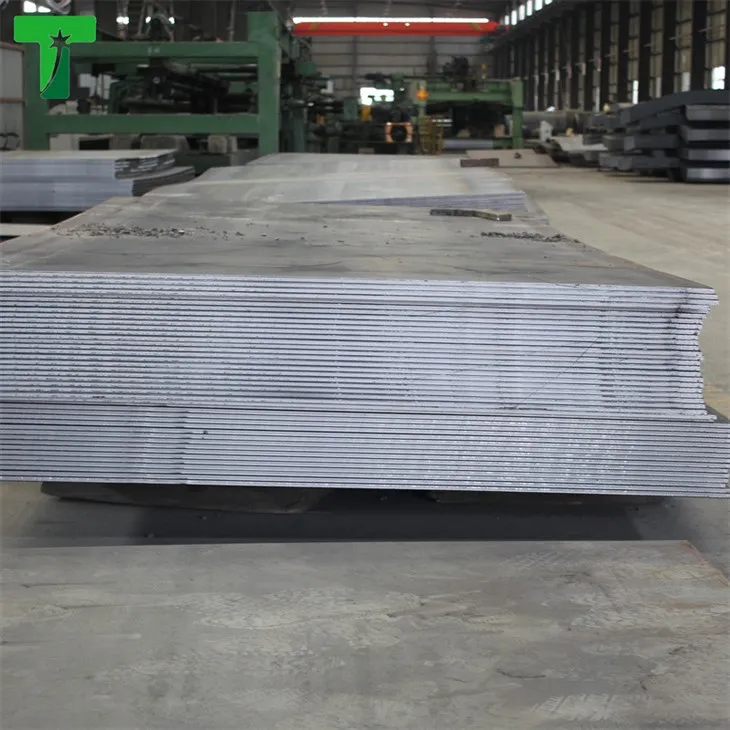
The turbine casing encloses the turbine blades and other internal components. It needs to be strong enough to withstand the high - speed rotation of the turbine and the pressure differentials. Alloy steel plates offer the necessary strength and stiffness for turbine casings. A572 Gr.50 Alloy Steel Plate is a popular choice for turbine casings. It has high yield and tensile strength, which helps to maintain the structural integrity of the casing under extreme operating conditions.
Turbine Blades
Although turbine blades are often made from more advanced materials like superalloys, alloy steel plates can be used in the base structures or support components of the turbine blade assembly. The alloy steel provides a stable and strong foundation for the high - performance turbine blades, ensuring proper alignment and operation.
Transmission and Distribution Equipment
In addition to the power generation equipment itself, alloy steel plates are also used in the transmission and distribution of electricity.
Tower Structures
Power transmission towers are large - scale structures that support high - voltage power lines. Alloy steel plates are used in the construction of these towers due to their high strength - to - weight ratio. The steel plates can be fabricated into various shapes and sizes to meet the design requirements of the tower. They provide the necessary strength to withstand wind, ice, and other environmental loads, ensuring the reliable transmission of electricity over long distances.
Substation Equipment
Substations are used to transform and distribute electricity. Alloy steel plates are used in the construction of substation enclosures, switchgear cabinets, and transformer tanks. The steel plates offer protection against environmental elements and mechanical damage, ensuring the safe and efficient operation of the substation equipment.
Nuclear Power Generation
In nuclear power plants, the requirements for materials are extremely strict due to the high - radiation environment and the need for long - term reliability.
Reactor Pressure Vessels
The reactor pressure vessel is the most critical component in a nuclear power plant, containing the nuclear reactor core. Alloy steel plates with specific alloying elements are used to construct the reactor pressure vessel. These steels must have excellent resistance to radiation embrittlement, corrosion, and high - temperature creep. The alloying elements are carefully selected to ensure the long - term safety and integrity of the vessel.
Containment Structures
Containment structures in nuclear power plants are designed to prevent the release of radioactive materials in case of an accident. Alloy steel plates are used in the construction of these structures to provide strength and durability. The steel plates are fabricated into large - scale panels and welded together to form a tight and reliable containment system.
Significance of Alloy Steel Plates in the Power Generation Industry
The use of alloy steel plates in the power generation industry offers several significant benefits.
Safety
Safety is of utmost importance in power generation. Alloy steel plates provide the necessary strength and durability to ensure the safe operation of power generation equipment. Their resistance to corrosion, high - temperature creep, and mechanical stress reduces the risk of equipment failure, which could lead to power outages, environmental disasters, or even human casualties.
Efficiency
Alloy steel plates can be designed and fabricated to have optimal mechanical properties, which helps to improve the efficiency of power generation equipment. For example, in boilers, the use of high - performance alloy steel plates can reduce heat loss and improve the heat transfer efficiency, leading to higher overall power generation efficiency.
Long - term Reliability
Power generation equipment is a long - term investment. Alloy steel plates have a long service life, which reduces the need for frequent replacements and maintenance. This not only saves costs but also ensures the continuous and reliable operation of power plants.
Conclusion
In conclusion, alloy steel plates are indispensable in the power generation industry. Their diverse applications in boiler components, turbine components, transmission and distribution equipment, and nuclear power generation highlight their importance in ensuring the safety, efficiency, and long - term reliability of power generation systems. As an alloy steel plate supplier, I am committed to providing high - quality alloy steel plates that meet the strict requirements of the power generation industry.
If you are involved in the power generation industry and are looking for reliable alloy steel plate solutions, please feel free to contact us for procurement and further discussions. We are dedicated to working with you to meet your specific needs and contribute to the success of your power generation projects.
References
- ASM Handbook Committee. ASM Handbook Volume 1: Properties and Selection: Irons, Steels, and High - Performance Alloys. ASM International, 2000.
- Welding Handbook Committee. Welding Handbook, Volume 1: Welding Science and Technology. American Welding Society, 2007.
- Power Generation Engineering and Design Handbook. McGraw - Hill Professional, 2012.