


Is Galvanized Sheet Environmentally Friendly?
As a supplier of galvanized sheets, I often get asked about the environmental impact of our products. Galvanized sheets are widely used in various industries, from construction to automotive, due to their durability and corrosion resistance. But the question remains: are they environmentally friendly? In this blog post, I'll explore the environmental aspects of galvanized sheets and provide a comprehensive answer.
Understanding Galvanized Sheets
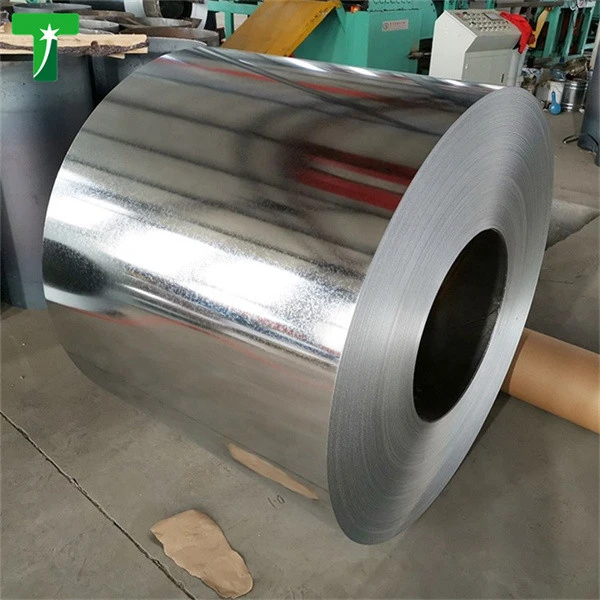
Galvanized sheets are steel sheets that have been coated with a layer of zinc to protect them from rust and corrosion. This process, known as galvanization, can be done through two main methods: hot-dip galvanizing and electro-galvanizing. Hot-dip galvanizing involves immersing the steel sheet in a bath of molten zinc, while electro-galvanizing uses an electric current to deposit a thin layer of zinc onto the steel surface.
The zinc coating on galvanized sheets acts as a sacrificial anode, meaning it corrodes preferentially to the underlying steel. This provides long-term protection for the steel, extending its lifespan and reducing the need for frequent replacement. Galvanized sheets are commonly used in roofing, siding, fencing, and other applications where durability and corrosion resistance are essential.
Environmental Benefits of Galvanized Sheets
- Longevity and Reduced Replacement
One of the most significant environmental benefits of galvanized sheets is their long lifespan. The zinc coating provides excellent corrosion protection, allowing galvanized sheets to last for decades without significant deterioration. This reduces the frequency of replacement, which in turn reduces the demand for new raw materials and energy used in the production of steel sheets.
For example, in construction projects, using galvanized sheets for roofing and siding can significantly extend the life of the building envelope. This means less waste generated from replacing worn-out materials and a lower environmental impact over the building's lifetime.
2. Recyclability
Both steel and zinc are highly recyclable materials. Galvanized sheets can be recycled at the end of their useful life, and the zinc and steel can be separated and reused in the production of new products. Recycling steel requires significantly less energy compared to producing new steel from iron ore, making it a more sustainable option.
In fact, the recycling rate of steel is very high, with a large percentage of steel products being recycled each year. This closed-loop recycling system helps to conserve natural resources and reduce the environmental impact of steel production.
3. Reduced Maintenance and Chemical Use
Galvanized sheets require minimal maintenance compared to other materials. The zinc coating provides a self-healing mechanism, which means that minor scratches or damage to the coating can be repaired over time by the zinc's natural corrosion products. This reduces the need for frequent painting or coating with other protective chemicals, which can be harmful to the environment.
In addition, the use of galvanized sheets eliminates the need for chemical treatments to prevent corrosion, such as chromate coatings, which can be toxic and have negative environmental impacts.
Potential Environmental Concerns
- Zinc Mining and Production
The production of zinc, which is used in the galvanization process, has some environmental impacts. Zinc mining can lead to habitat destruction, soil erosion, and water pollution if not managed properly. In addition, the energy-intensive nature of zinc production contributes to greenhouse gas emissions.
However, the zinc industry has made significant progress in recent years to improve its environmental performance. Many zinc mines and smelters have implemented sustainable mining practices, such as reducing water usage, minimizing waste generation, and using renewable energy sources.
2. Zinc Runoff and Pollution
In some cases, zinc runoff from galvanized sheets can be a concern. When exposed to certain environmental conditions, such as acidic rain or high humidity, the zinc coating on galvanized sheets can gradually dissolve and enter the environment. This can potentially contaminate soil and water, especially in areas with sensitive ecosystems.
To mitigate this issue, proper installation and maintenance of galvanized sheets are essential. For example, using appropriate drainage systems and avoiding direct contact with soil can help reduce the risk of zinc runoff. In addition, some manufacturers are developing new galvanizing technologies that reduce the leaching of zinc into the environment.
Our Commitment to Sustainability
As a galvanized sheet supplier, we are committed to minimizing the environmental impact of our products. We work closely with our suppliers to ensure that the zinc and steel used in our galvanized sheets are sourced responsibly. We also support the development and adoption of sustainable manufacturing practices in the zinc and steel industries.
In addition, we offer a range of products that are designed to meet the highest environmental standards. For example, our ASTM A653 Galvanized Sheet Coil For Construction is manufactured using advanced galvanizing techniques that provide excellent corrosion protection while minimizing the environmental impact. Our Galvanized Sheet Coil and Q355 Galvanized Carbon Steel Coil For Building are also highly recyclable and offer long-term durability, reducing the need for frequent replacement.
Conclusion
In conclusion, galvanized sheets offer several environmental benefits, including longevity, recyclability, and reduced maintenance. While there are some potential environmental concerns associated with zinc mining and production, the overall environmental impact of galvanized sheets can be minimized through responsible sourcing, sustainable manufacturing practices, and proper installation and maintenance.
As a galvanized sheet supplier, we believe that our products can play an important role in promoting sustainable development. We are committed to working with our customers and partners to ensure that our products are used in an environmentally responsible manner.

If you are interested in learning more about our galvanized sheet products or have any questions about their environmental impact, please feel free to contact us. We would be happy to discuss your specific needs and provide you with the information you need to make an informed decision.
References
- ASM International. (2002). Handbook of Zinc and Zinc Alloys. ASM International.
- International Zinc Association. (2023). Zinc in Construction: A Sustainable Choice. International Zinc Association.
- World Steel Association. (2023). Steel: The Foundation of Sustainable Construction. World Steel Association.


