


How to Cut Corrugated Sheets
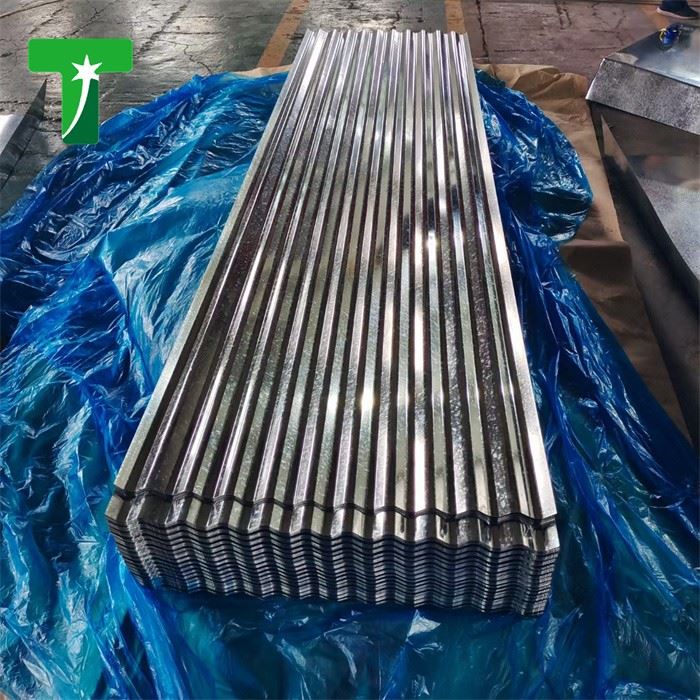
As a seasoned supplier of corrugated sheets, I've witnessed firsthand the diverse applications and challenges that come with working these versatile materials. Corrugated sheets, whether made of metal, plastic, or fiber, are widely used in construction, roofing, and packaging due to their strength, durability, and cost - effectiveness. However, cutting them properly is crucial to ensure a clean, precise finish and to avoid damaging the material. In this blog post, I'll share some essential tips and techniques on how to cut corrugated sheets effectively.

Tools Required
Before you start cutting corrugated sheets, it's important to gather the right tools. The choice of tool depends on the type and thickness of the corrugated sheet you're working with. Here are some common tools used for cutting corrugated sheets:
- Tin Snips: Ideal for cutting thin - gauge metal corrugated sheets. They come in different types, such as straight - cut, left - cut, and right - cut, allowing you to make straight or curved cuts. Tin snips are handheld and relatively inexpensive, making them a popular choice for small - scale projects.
- Jigsaw: A power tool that can be used to cut through various types of corrugated sheets, including metal, plastic, and fiber. You'll need to use a blade appropriate for the material. For metal sheets, a bi - metal or carbide - tipped blade is recommended. Jigsaws offer more flexibility and can make curved cuts with relative ease.
- Circular Saw: This is a powerful tool suitable for cutting thicker corrugated sheets. When using a circular saw, make sure to use a blade designed for the specific material. For example, a diamond - tipped blade is great for cutting fiberglass corrugated sheets, while a metal - cutting blade is needed for metal sheets. Circular saws can make fast, straight cuts but require more skill and caution to operate.
- Angle Grinder: Another power tool that can be used for cutting metal corrugated sheets. It's equipped with a thin cutting disc that can quickly slice through the material. However, angle grinders produce a lot of sparks and dust, so proper safety gear, such as goggles and a dust mask, is essential.
Pre - cutting Preparation
Once you have the necessary tools, it's time to prepare the corrugated sheets for cutting. Here are the steps you should follow:
- Measure and Mark: Use a measuring tape and a marker to measure and mark the area where you need to make the cut. Make sure your measurements are accurate to ensure a proper fit. If you're cutting multiple sheets to the same size, it's a good idea to create a template to speed up the process.
- Secure the Sheet: To prevent the sheet from moving during cutting, secure it firmly to a stable work surface. You can use clamps or weights to hold the sheet in place. This will help you make a straight and clean cut.
- Wear Safety Gear: Cutting corrugated sheets can be dangerous, so it's important to wear appropriate safety gear. This includes safety glasses to protect your eyes from flying debris, gloves to protect your hands, and a dust mask if you're working with materials that produce dust, such as fiberglass.
Cutting Techniques
Now that you're prepared, let's look at the cutting techniques for different types of corrugated sheets:
-
Cutting Metal Corrugated Sheets:
- If you're using tin snips, start by aligning the snips with the marked cut line. Apply steady pressure and use a smooth, continuous motion to cut through the sheet. For longer cuts, it may be necessary to make multiple passes.
- When using a jigsaw, set the speed to a medium setting and start the cut slowly. Keep the blade perpendicular to the sheet to ensure a straight cut. If you're making a curved cut, guide the jigsaw along the marked line carefully.
- For a circular saw, adjust the blade depth to slightly more than the thickness of the sheet. Start the saw and make the cut at a steady pace. Be careful not to force the saw through the material, as this can cause the blade to bind or damage the sheet.
- When using an angle grinder, hold the grinder firmly and start the cut at a slow speed. Let the cutting disc do the work and move the grinder along the marked line steadily.
-
Cutting Plastic Corrugated Sheets:
- Tin snips can be used for thin plastic sheets. Make sure to use a sharp pair of snips to avoid tearing the plastic.
- A jigsaw with a fine - tooth blade is a great option for cutting thicker plastic sheets. Set the speed to a low setting to prevent melting the plastic.
- A circular saw with a plastic - cutting blade can also be used. However, you need to be careful not to overheat the plastic, which can cause warping.
-
Cutting Fiberglass Corrugated Sheets:
- A circular saw with a diamond - tipped blade is the best tool for cutting fiberglass sheets. Make sure to wear a dust mask and goggles to protect yourself from the fiberglass dust.
- You can also use a jigsaw with a fine - tooth blade, but it may take longer to cut through the material.
Post - cutting Finishing
After cutting the corrugated sheets, there are a few finishing steps you should take:
- Deburr the Edges: Use a file or sandpaper to smooth out any rough edges or burrs left by the cutting process. This will prevent injuries and also give the sheet a more professional look.
- Clean the Sheet: Remove any dust or debris from the cut sheet. You can use a brush or a compressed air gun to clean the sheet thoroughly.
Our Product Range
At our company, we offer a wide range of high - quality corrugated sheets to meet your diverse needs. Our Corrugated Metal Steel Sheet For Construction is perfect for building structures, providing excellent strength and durability. Our Galvanized Roof Panels are designed to withstand harsh weather conditions and offer long - lasting protection for your roof. And our PPGI Roof Sheet combines the benefits of painted and galvanized steel, giving you a beautiful and corrosion - resistant roofing solution.
Contact Us for Procurement
If you're interested in purchasing our corrugated sheets or have any questions about cutting or using them, we'd love to hear from you. Whether you're a contractor working on a large - scale construction project or a DIY enthusiast tackling a home improvement task, our team of experts is ready to assist you. We can provide guidance on the best type of corrugated sheet for your project, offer tips on cutting and installation, and ensure that you get the highest - quality products at competitive prices.
References
- "Construction Materials Handbook" by John P. Zaniewski
- "Roofing Installation Guide" by the National Roofing Contractors Association
- "DIY Projects with Corrugated Sheets" by Home Improvement Magazine


