


Hey there! As a wear resistant plate supplier, I've seen firsthand how flatness can have a huge impact on the installation and use of these plates. In this blog, I'm gonna break down the ins and outs of flatness and how it affects everything from the initial installation to the long - term performance of wear resistant plates.
Let's start with the basics. Flatness refers to how even the surface of a wear resistant plate is. A perfectly flat plate has no bumps, dips, or warps. Sounds simple, right? But in reality, achieving and maintaining that flatness is crucial for getting the most out of your wear resistant plates.
Impact on Installation
When it comes to installing wear resistant plates, flatness is a game - changer. First off, if the plate isn't flat, it can be a real pain to align properly. You see, most wear resistant plates are installed in industrial settings, like mining equipment, conveyor systems, or hoppers. These applications often require precise fitting to ensure that the plates work together seamlessly.
If a plate is warped or has uneven spots, it won't sit flush against the surface it's supposed to be attached to. This can lead to gaps between the plate and the base structure. These gaps are a big problem because they can allow debris, dust, or even liquids to seep in. Over time, this can cause corrosion and weaken the overall structure.
Let me give you an example. Imagine you're installing 27MnTiBM Wear Resistant Plate in a conveyor chute. If the plate isn't flat, there'll be spaces where the material being transported can get stuck. This not only disrupts the flow of the conveyor but can also cause premature wear on the plate edges.
Another issue with non - flat plates during installation is that they can make the fastening process more difficult. Bolts and welds are commonly used to attach wear resistant plates. When a plate is flat, it's easier to drill holes accurately and ensure that the bolts are tightened evenly. But if the plate is warped, the holes might not line up correctly, and the bolts won't be able to hold the plate securely. Welding a non - flat plate is also a challenge. The uneven surface can cause inconsistent heat distribution, leading to weak welds that are more likely to break under stress.
Impact on Use
Once the wear resistant plates are installed, flatness continues to play a key role in their performance. A flat plate provides a smooth surface for materials to slide or flow over. This reduces friction and wear on the plate itself. For instance, in a mining operation, where large amounts of ore are transported on wear resistant plates, a flat surface ensures that the ore moves easily without getting caught or causing excessive abrasion.
On the other hand, a non - flat plate can cause a lot of problems during use. The bumps and dips on the surface can act as obstacles for the materials passing over it. This increases the friction, which in turn leads to faster wear and tear of the plate. The uneven surface can also cause the material flow to become turbulent, which can lead to more impact and abrasion on the plate.
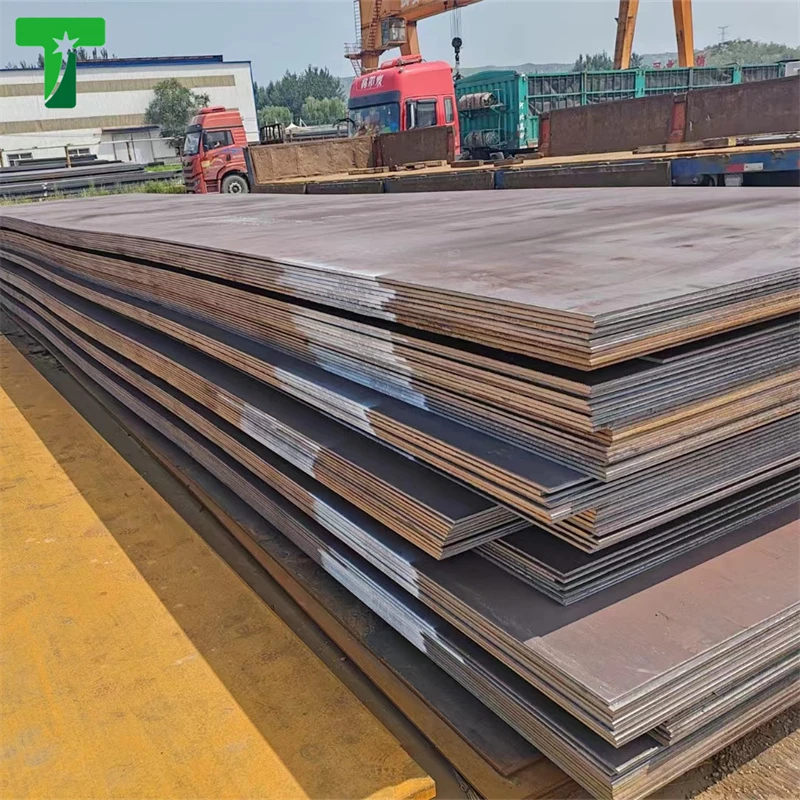

Let's talk about Wear Resistant Steel Plate in a crushing machine. If the plate isn't flat, the rocks being crushed might not be processed evenly. Some parts of the plate will experience more pressure and wear than others. This can lead to premature failure of the plate, which means more frequent replacements and higher costs for the operator.
Flatness also affects the overall stability of the equipment. In applications where wear resistant plates are part of a larger structure, like a large storage silo, non - flat plates can cause uneven stress distribution. This can lead to structural weaknesses and even pose a safety risk. For example, if the plates in a silo are not flat, the stored material might put more pressure on one side of the structure, potentially causing the silo to tilt or collapse.
Measuring and Ensuring Flatness
As a wear resistant plate supplier, I know how important it is to measure and ensure flatness. There are several methods for measuring flatness. One common way is to use a straightedge. You simply place the straightedge on the plate surface and check for gaps between the straightedge and the plate. If there are gaps, you can measure their size to determine the degree of non - flatness.
Another method is to use laser scanning technology. This is a more advanced and accurate way of measuring flatness. Laser scanners can create a 3D model of the plate surface, allowing us to detect even the smallest deviations from flatness.
At our company, we take flatness seriously. We have strict quality control measures in place during the manufacturing process. We use state - of - the - art equipment to ensure that our BISPLATE450 Carbon Steel Plate and other wear resistant plates meet the highest flatness standards. We also perform regular inspections to double - check the flatness of the plates before they leave our facility.
Conclusion
In conclusion, flatness is a critical factor in the installation and use of wear resistant plates. It affects everything from the ease of installation to the long - term performance and safety of the equipment. As a wear resistant plate supplier, I highly recommend that you pay close attention to flatness when choosing your plates.
If you're in the market for high - quality wear resistant plates with excellent flatness, don't hesitate to reach out. We're here to help you find the right solution for your specific application. Whether you need plates for mining, construction, or any other industrial use, we've got you covered. Contact us today to start a conversation about your wear resistant plate needs and let's work together to get you the best products.
References
- Smith, John. "The Importance of Flatness in Industrial Plate Applications." Journal of Industrial Materials, 2020.
- Johnson, Mary. "Wear Resistant Plates: Installation and Performance Factors." Manufacturing Review, 2019.


